


Attractions & Sightseeing Beaches Ecotourism
Dhanushkodi, Rameswaram – Travel Guide, Places to See & Visitor Information
Dhanushkodi, Tamil Nadu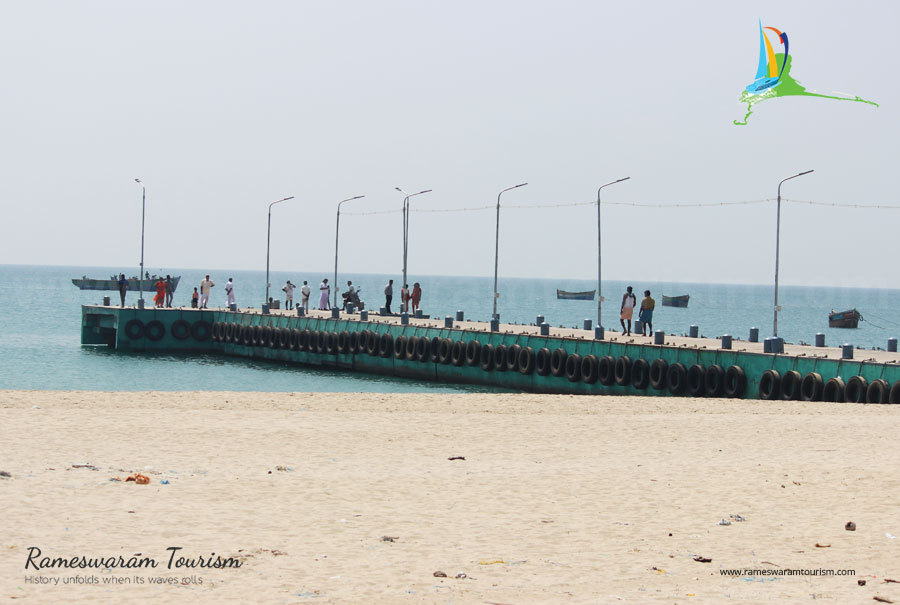
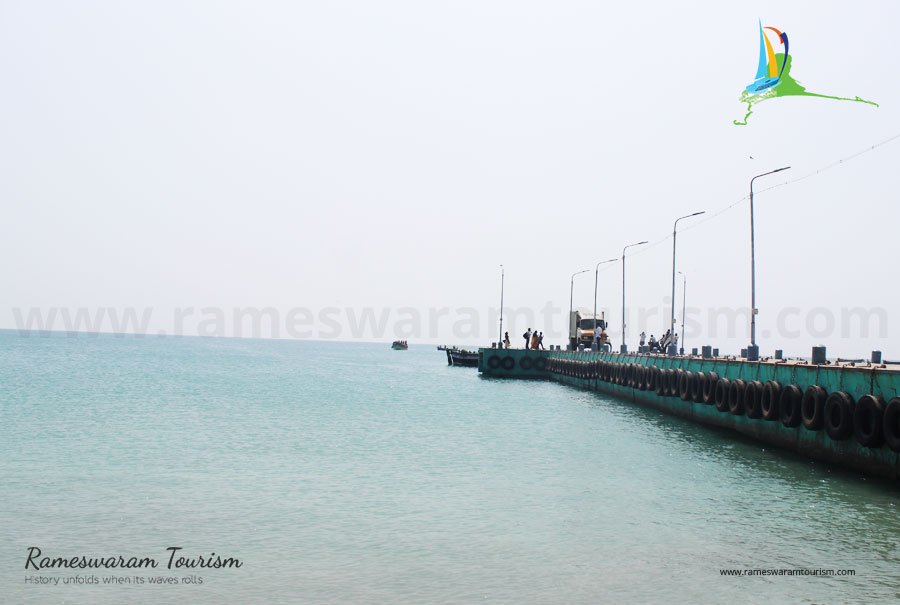
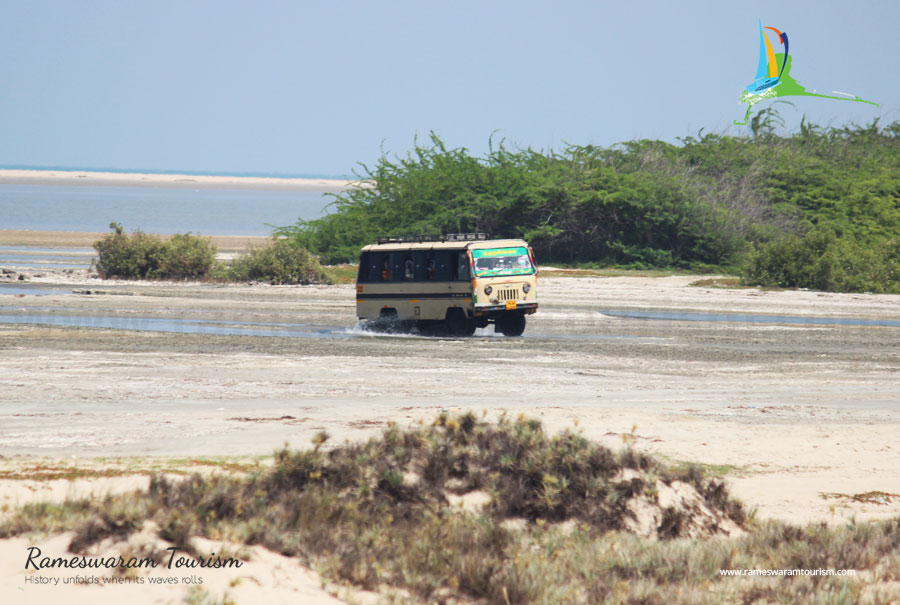
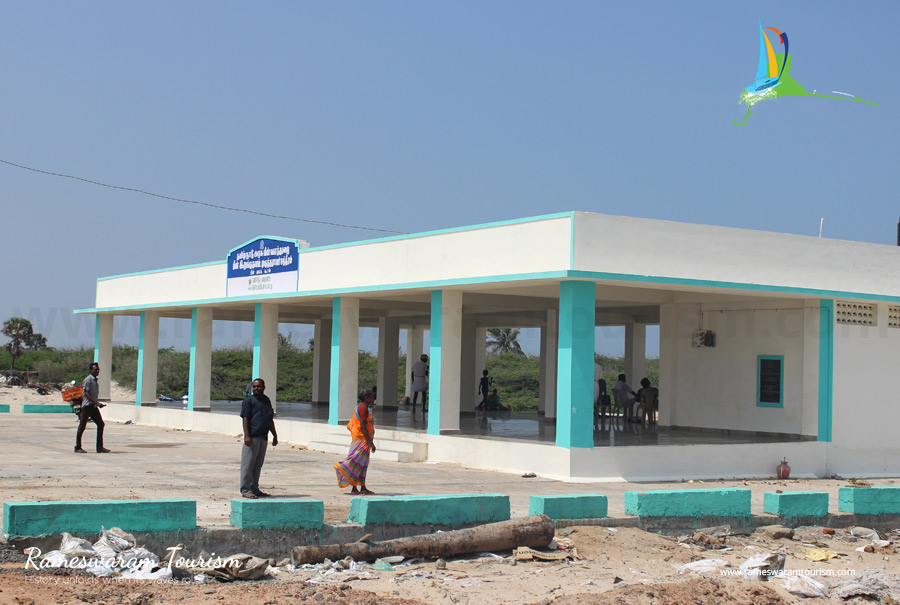
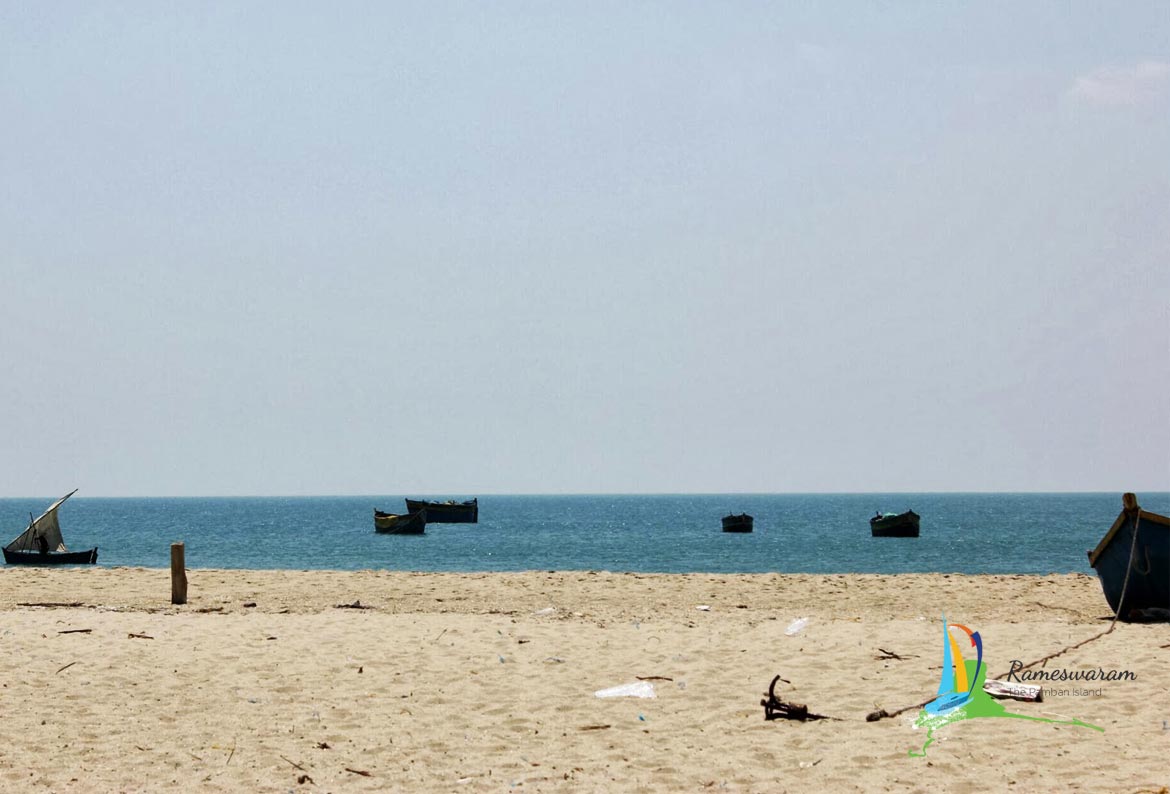
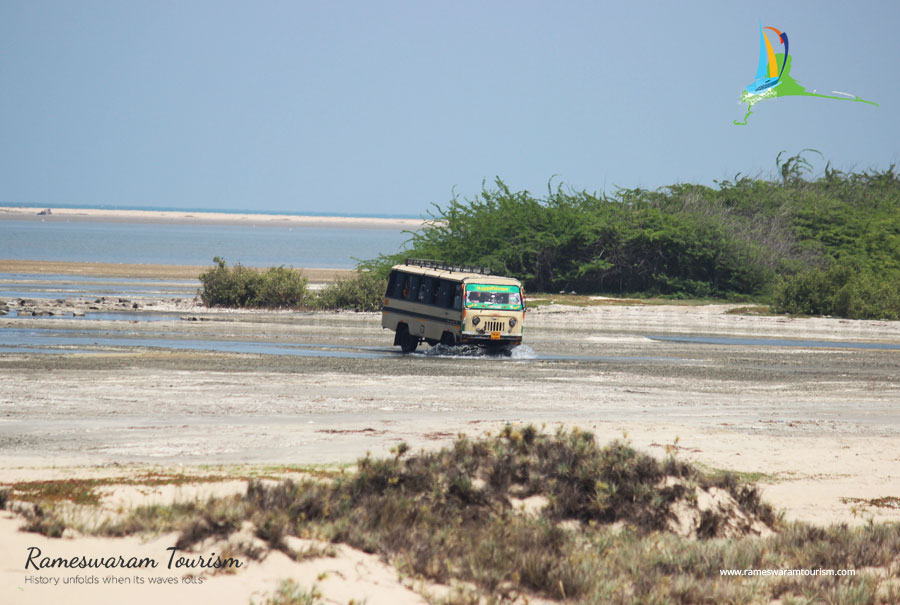
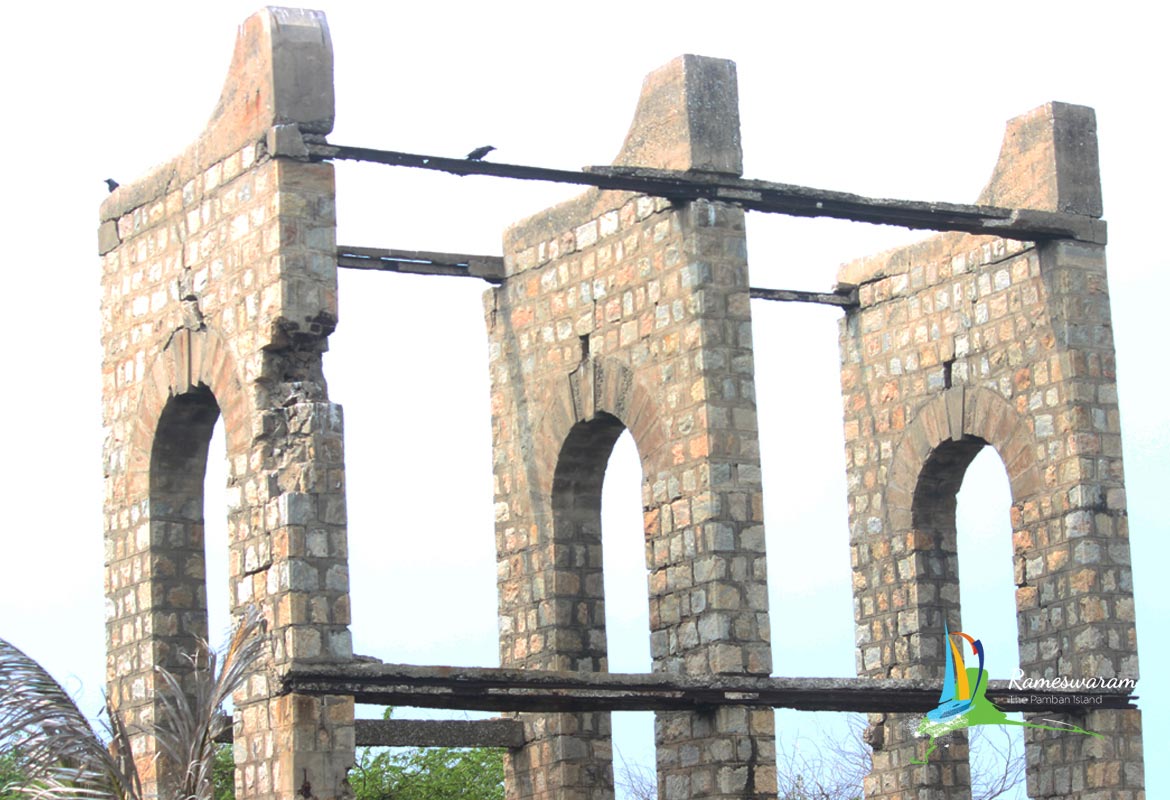
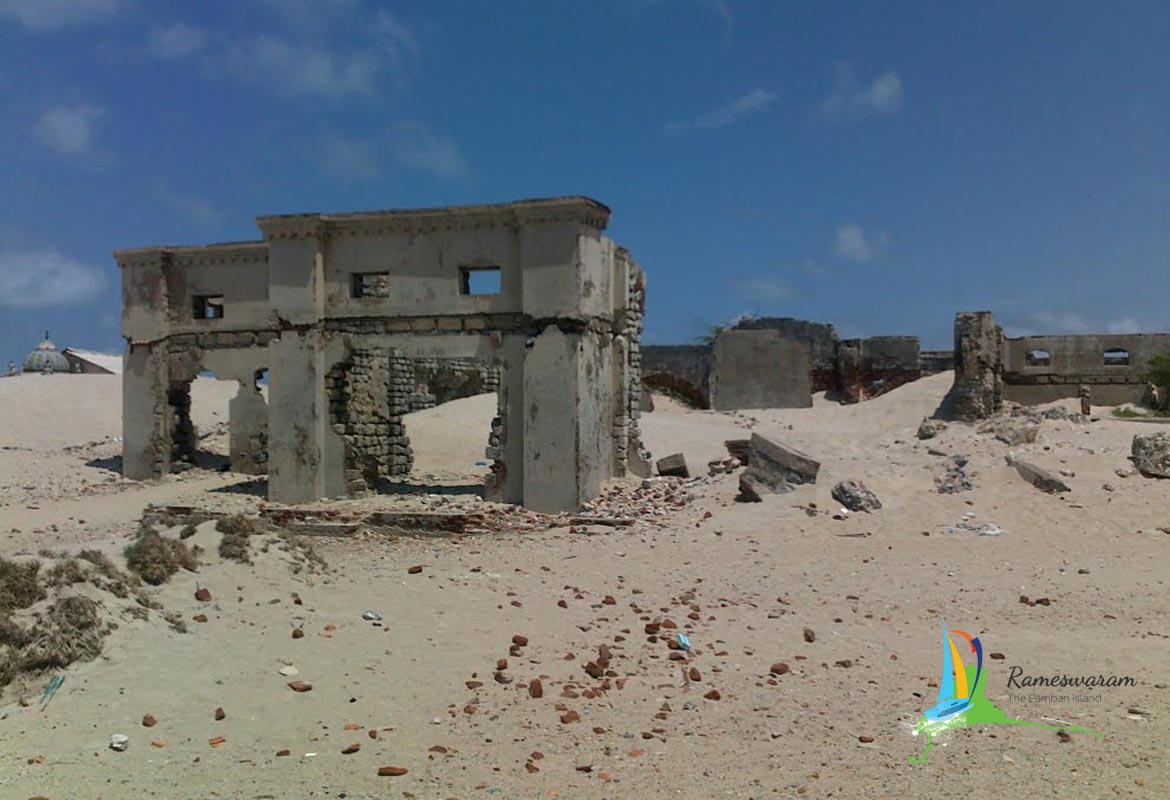
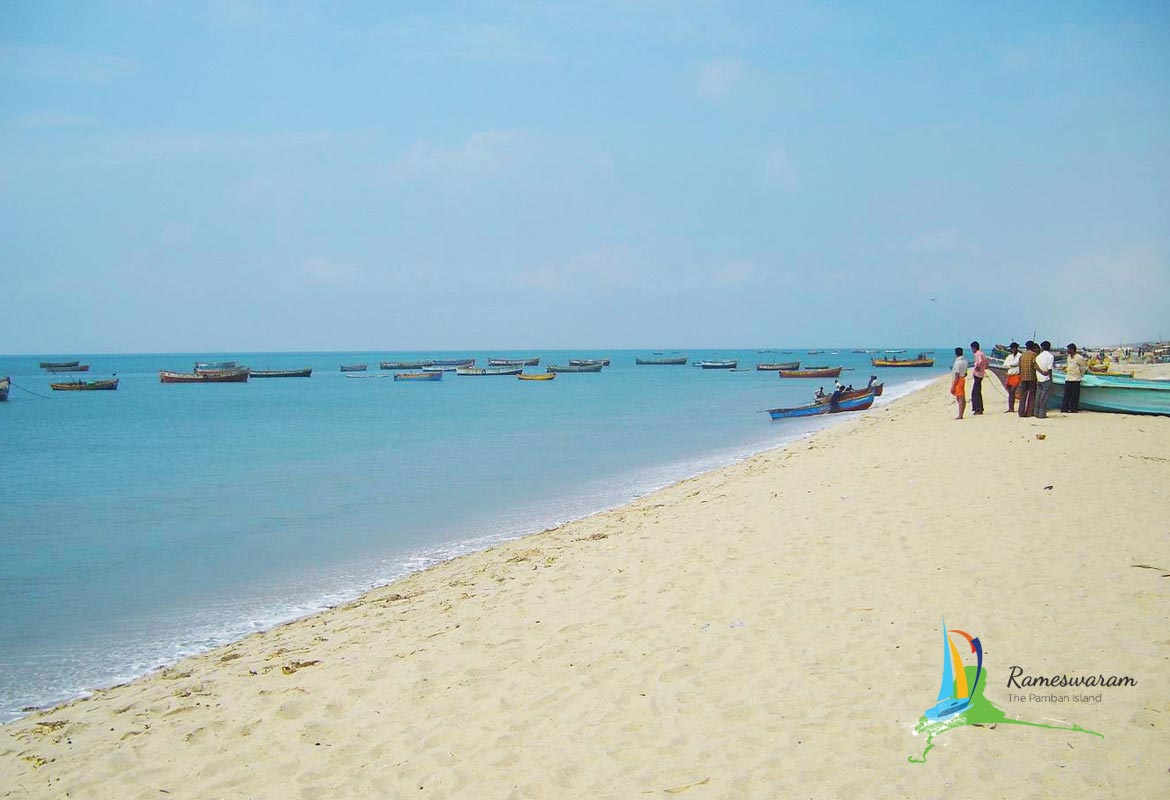
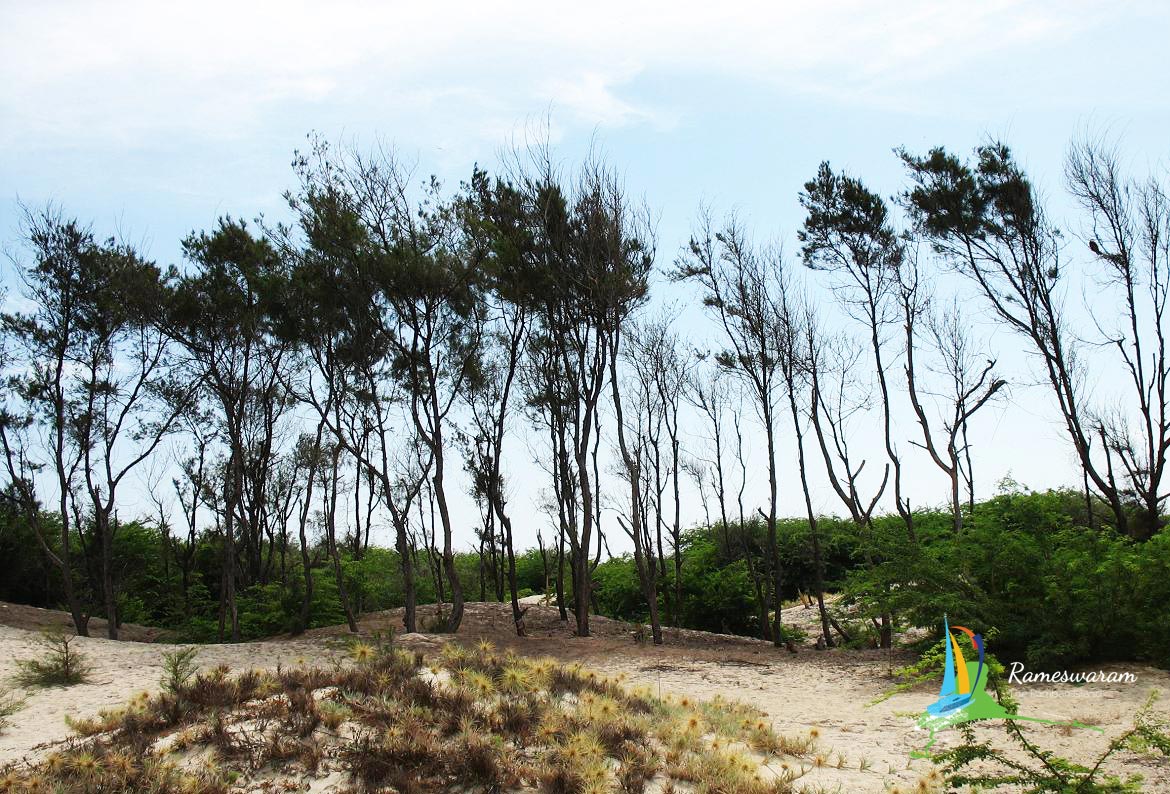
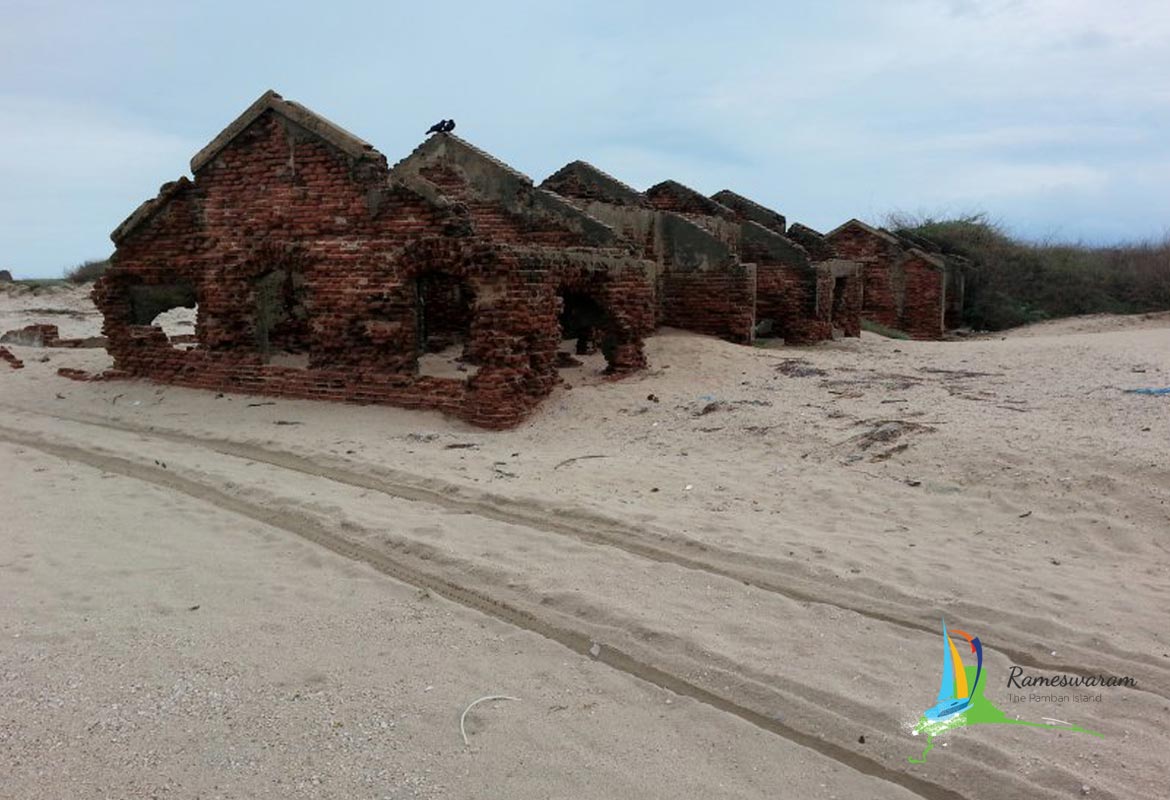
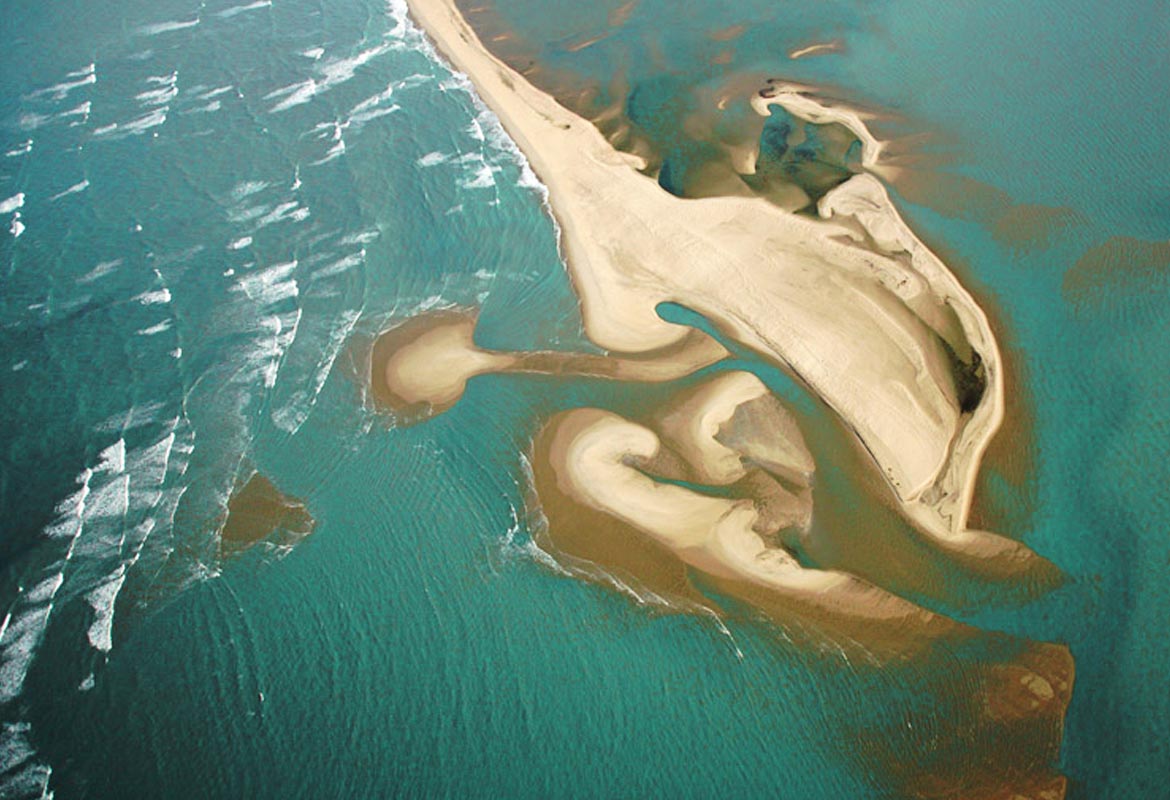
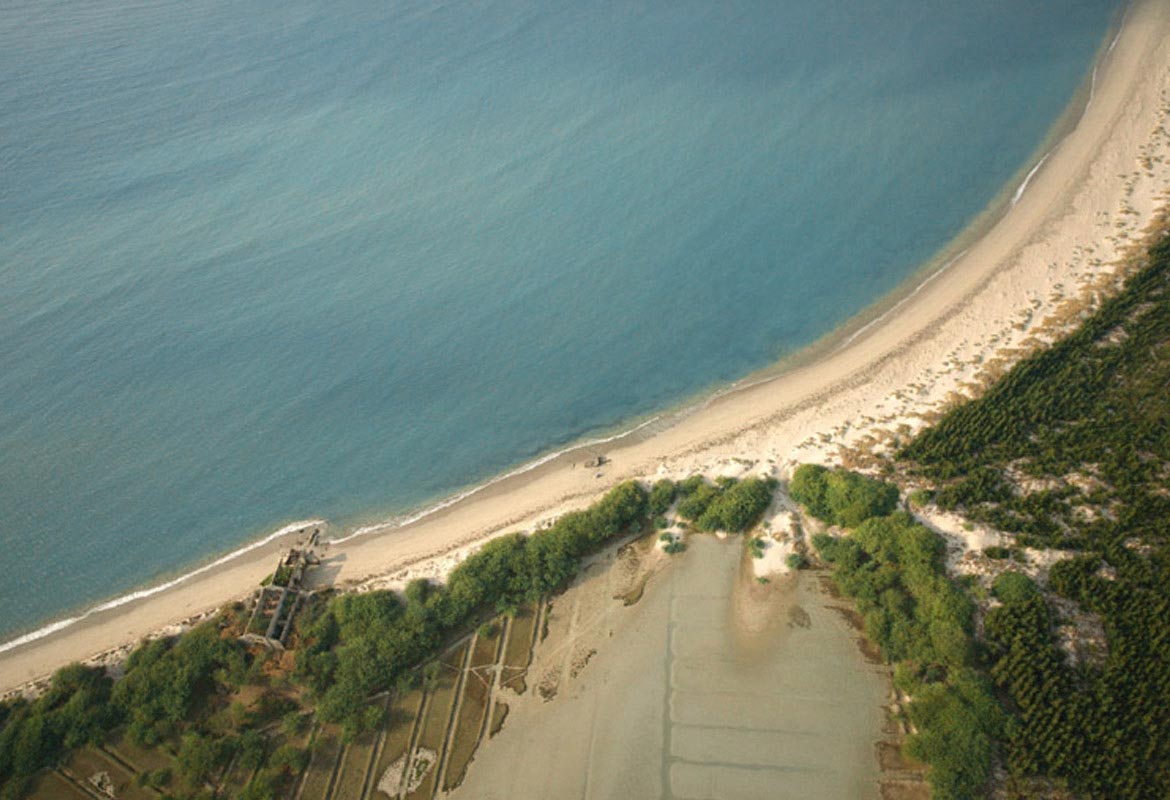
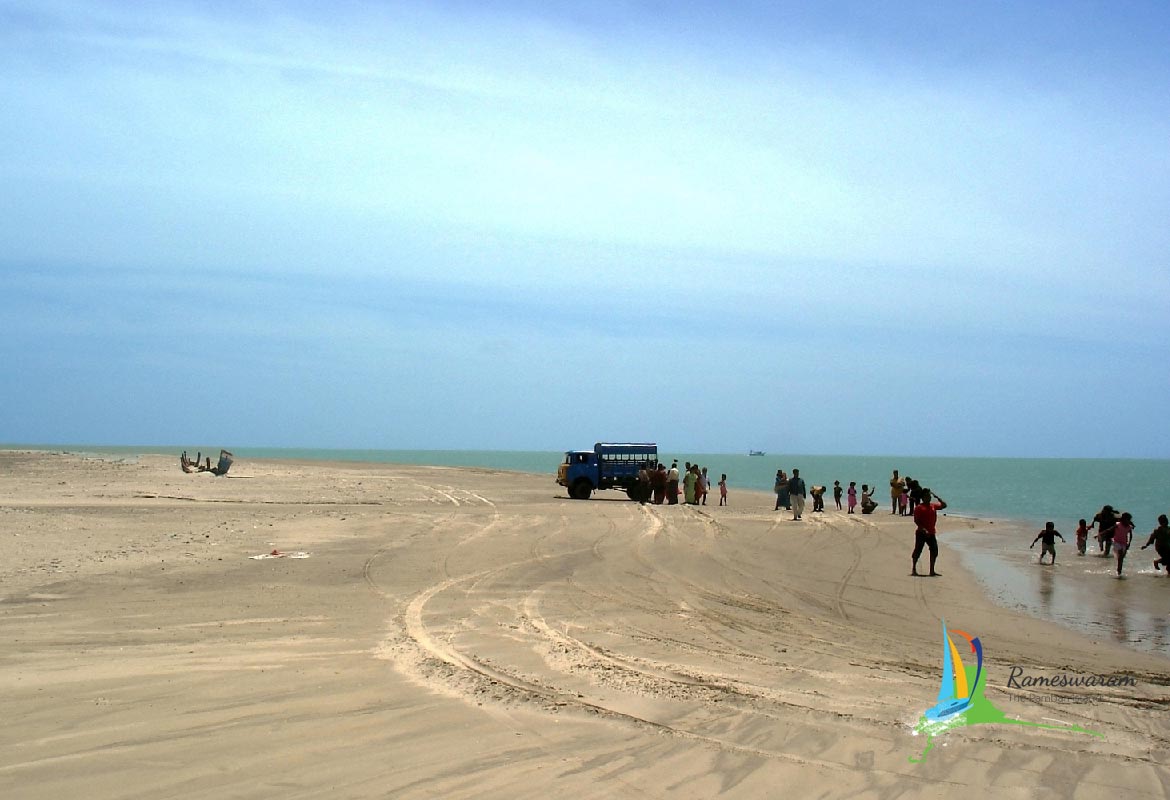
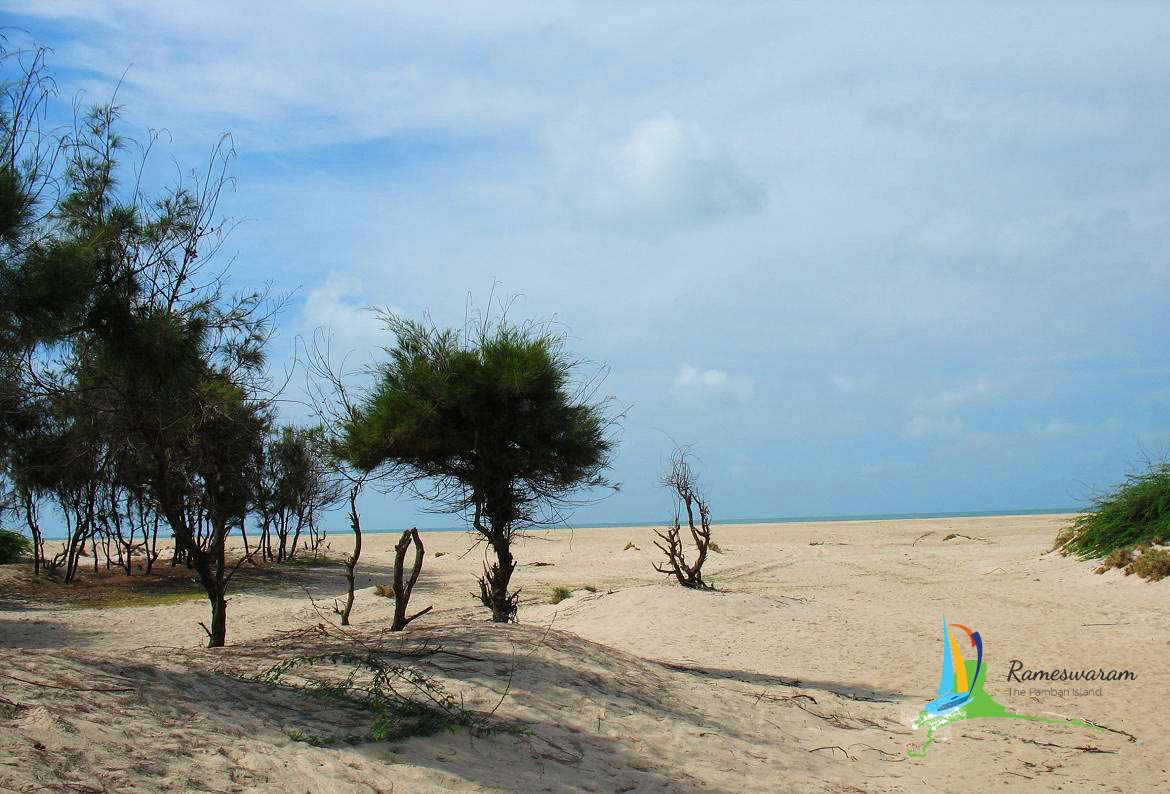
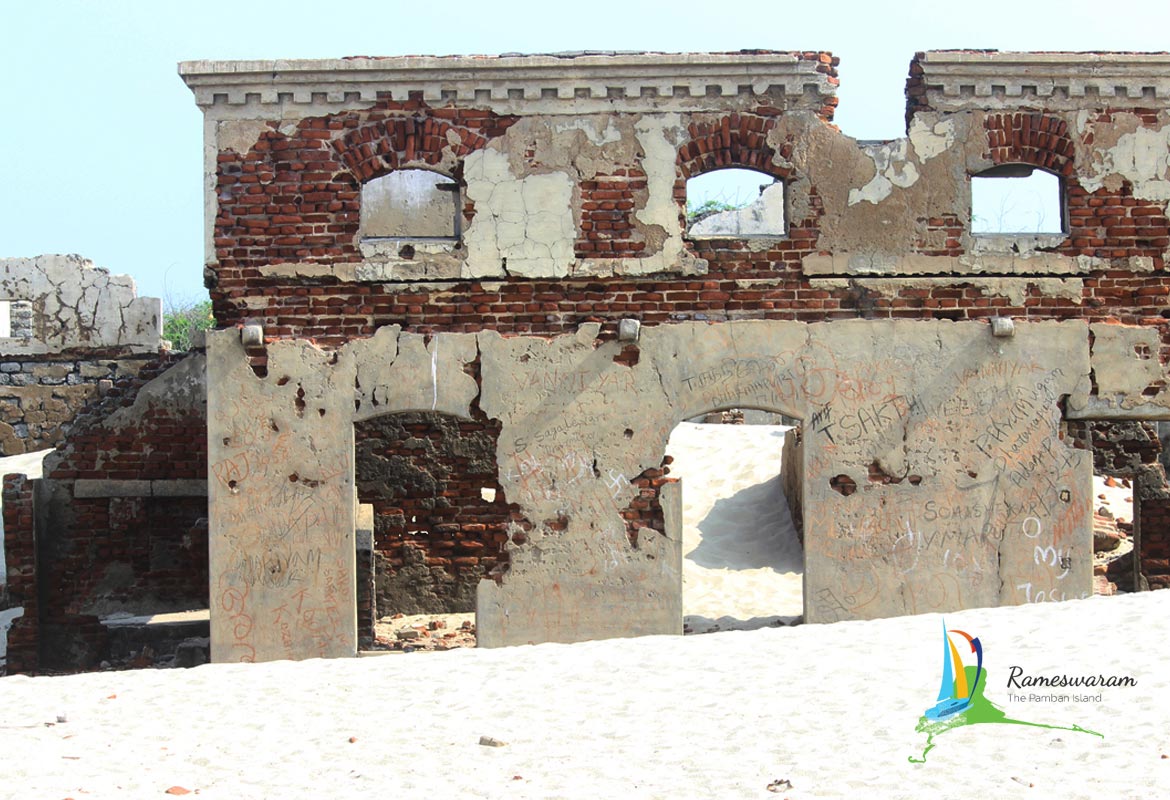
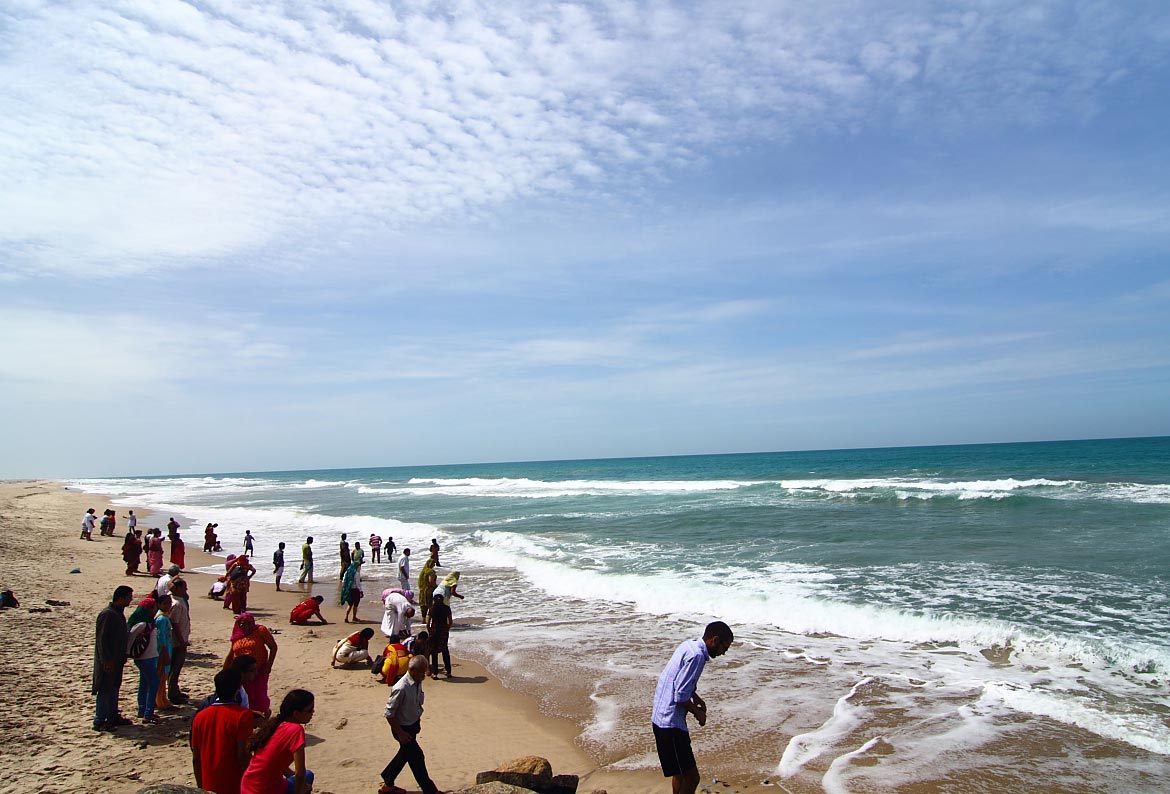
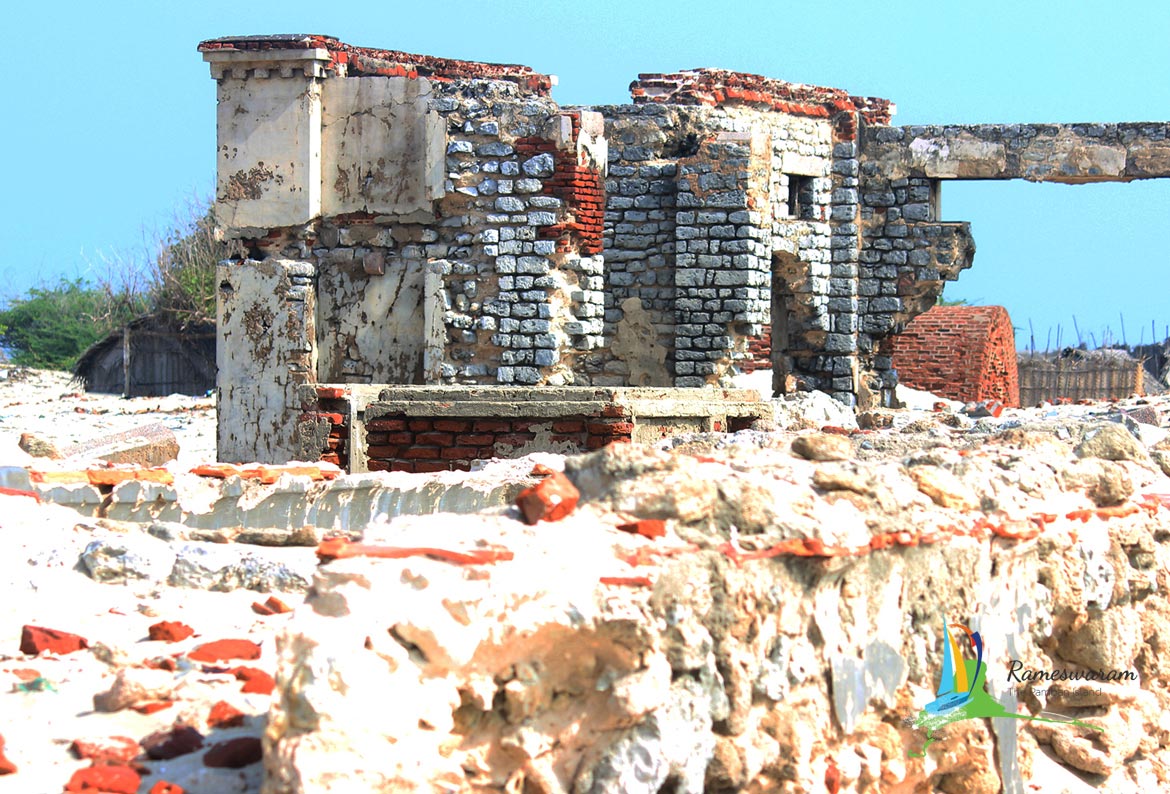
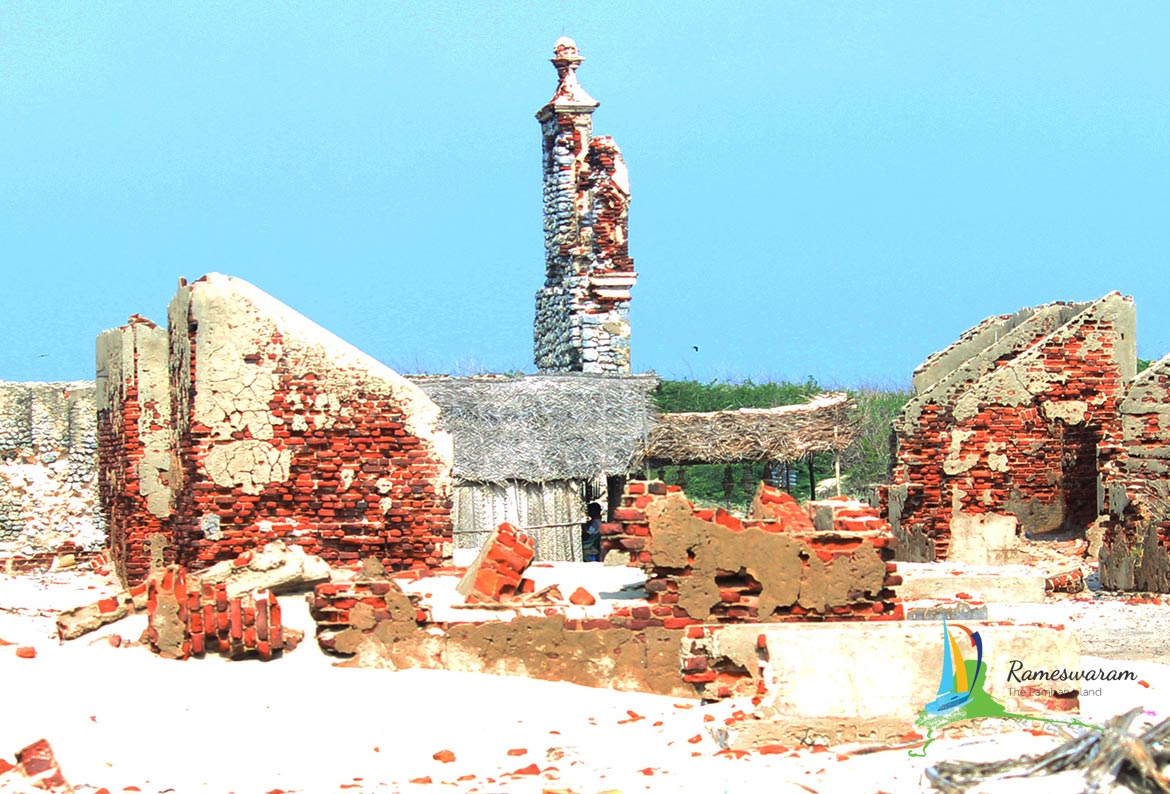
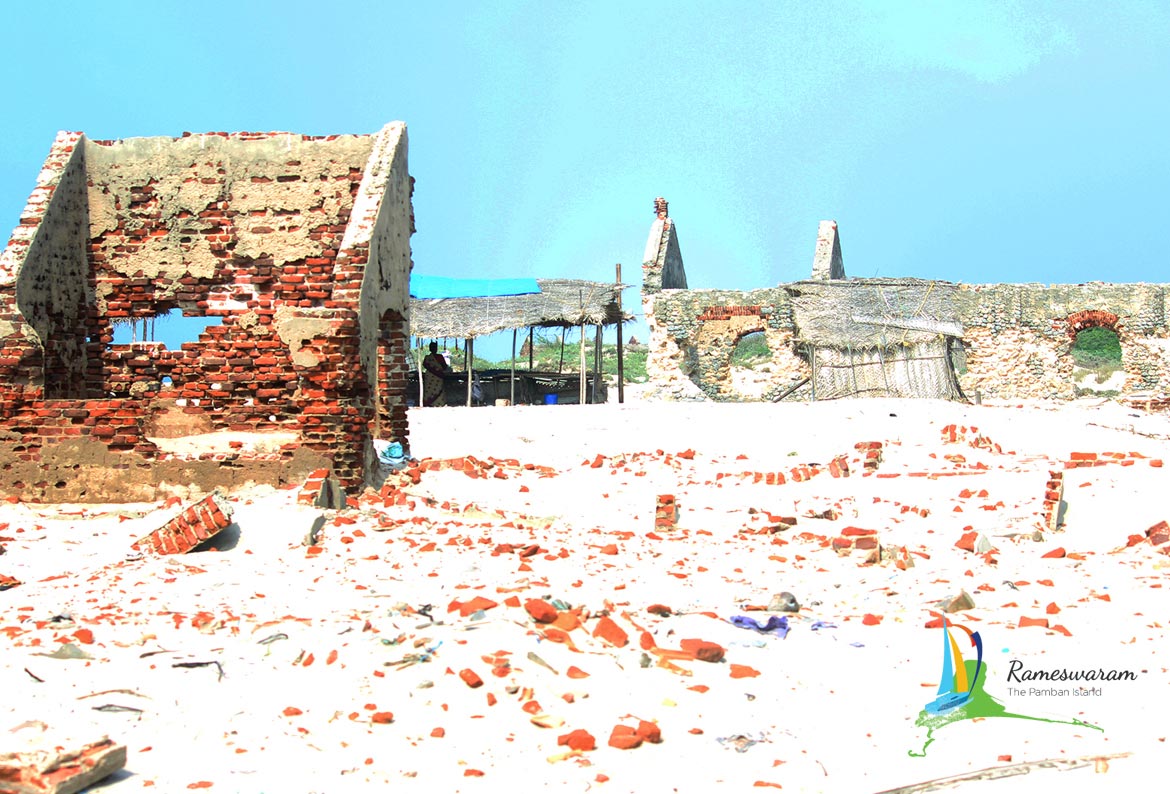
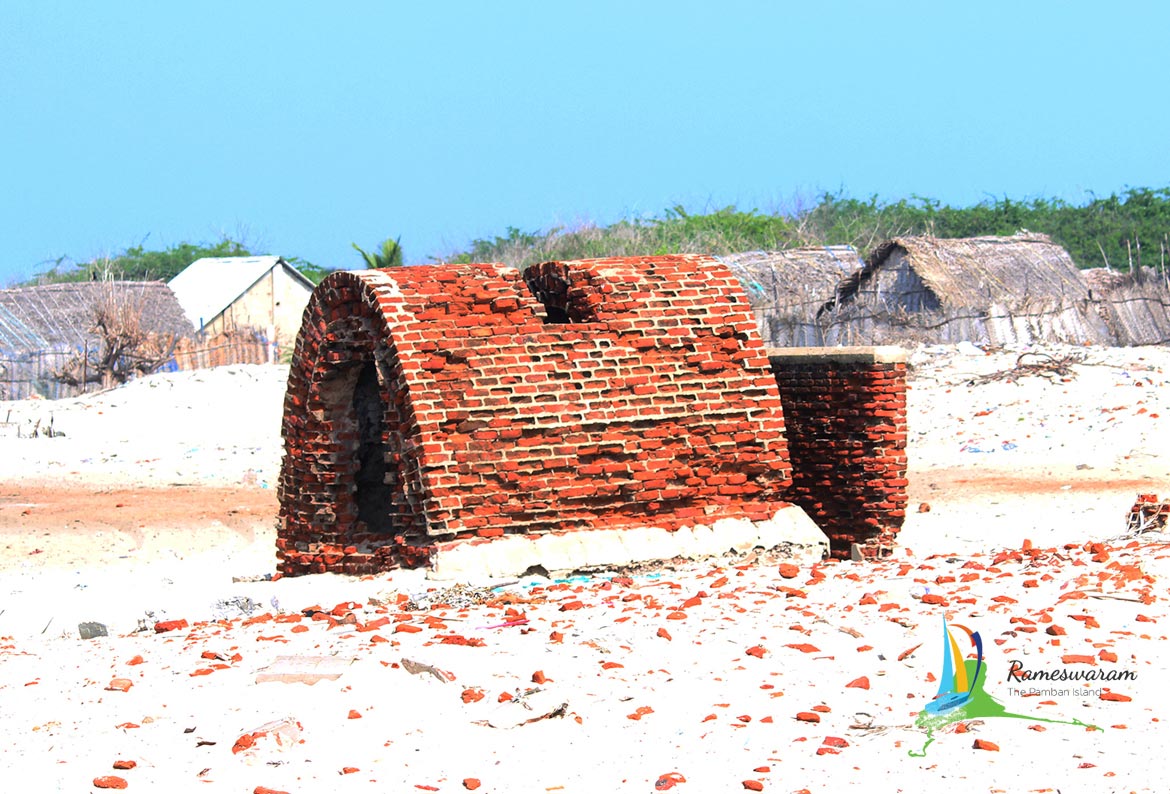
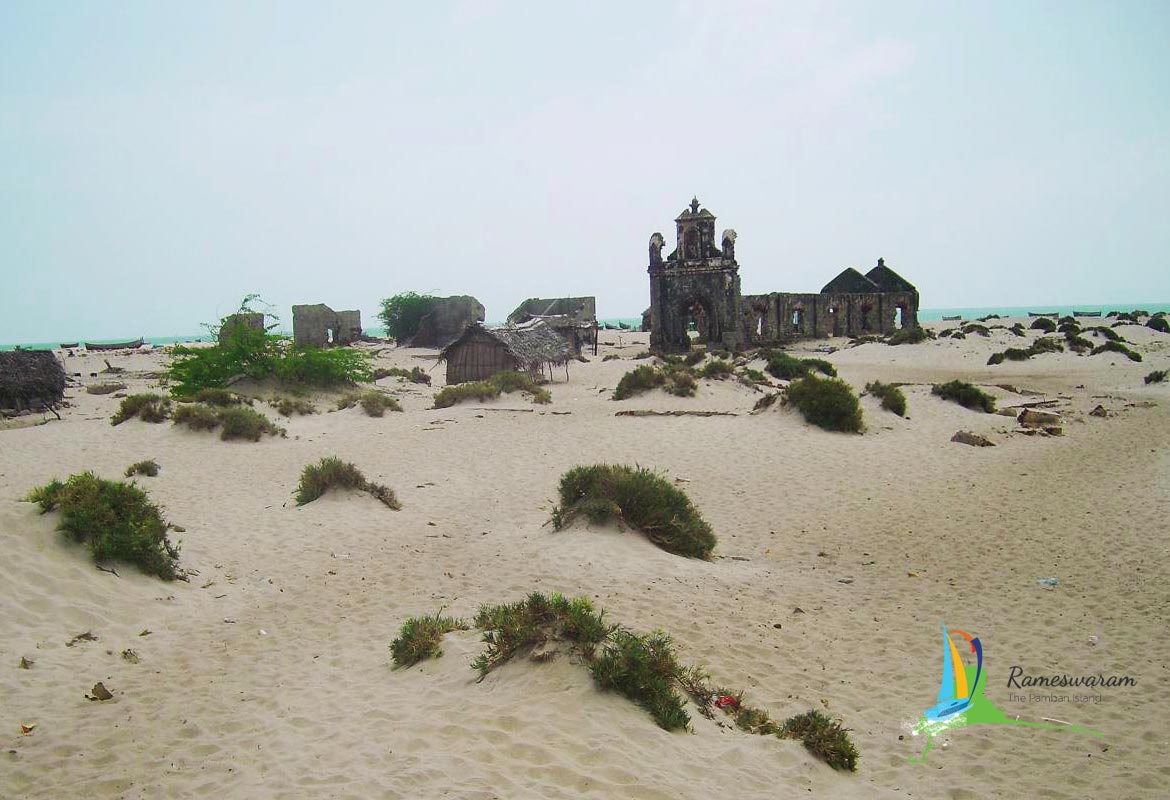
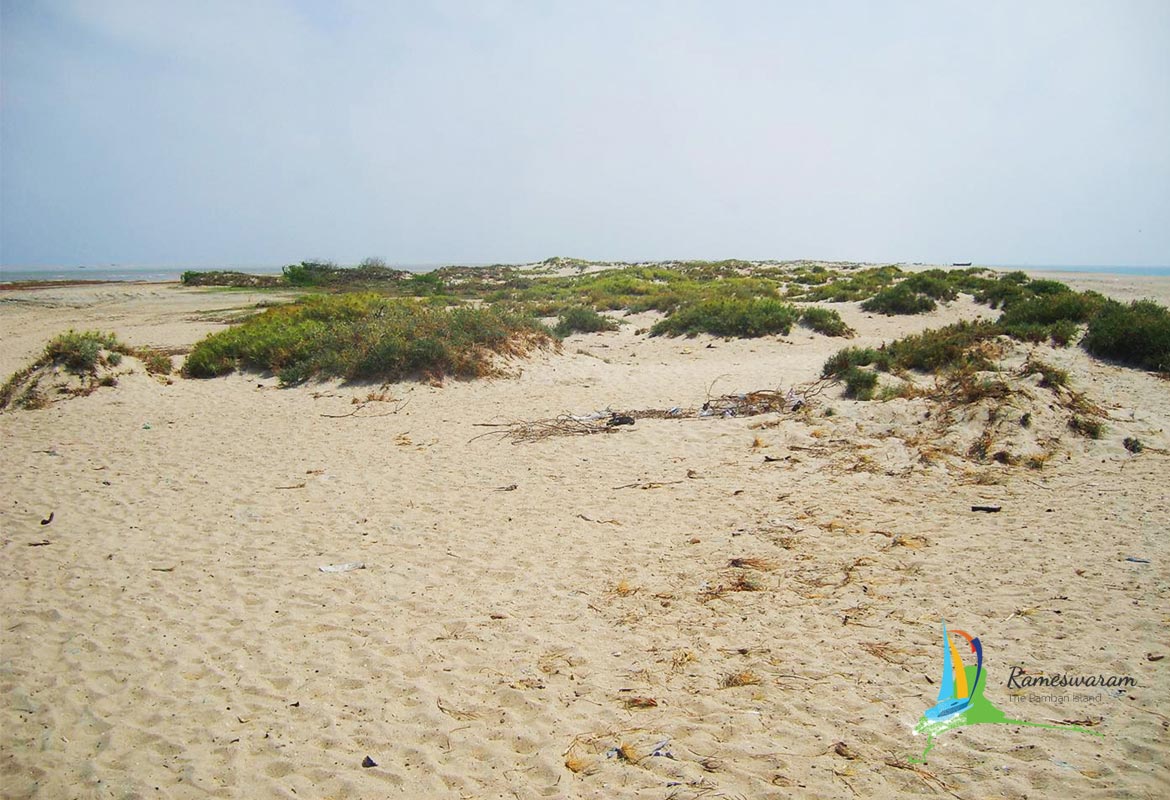
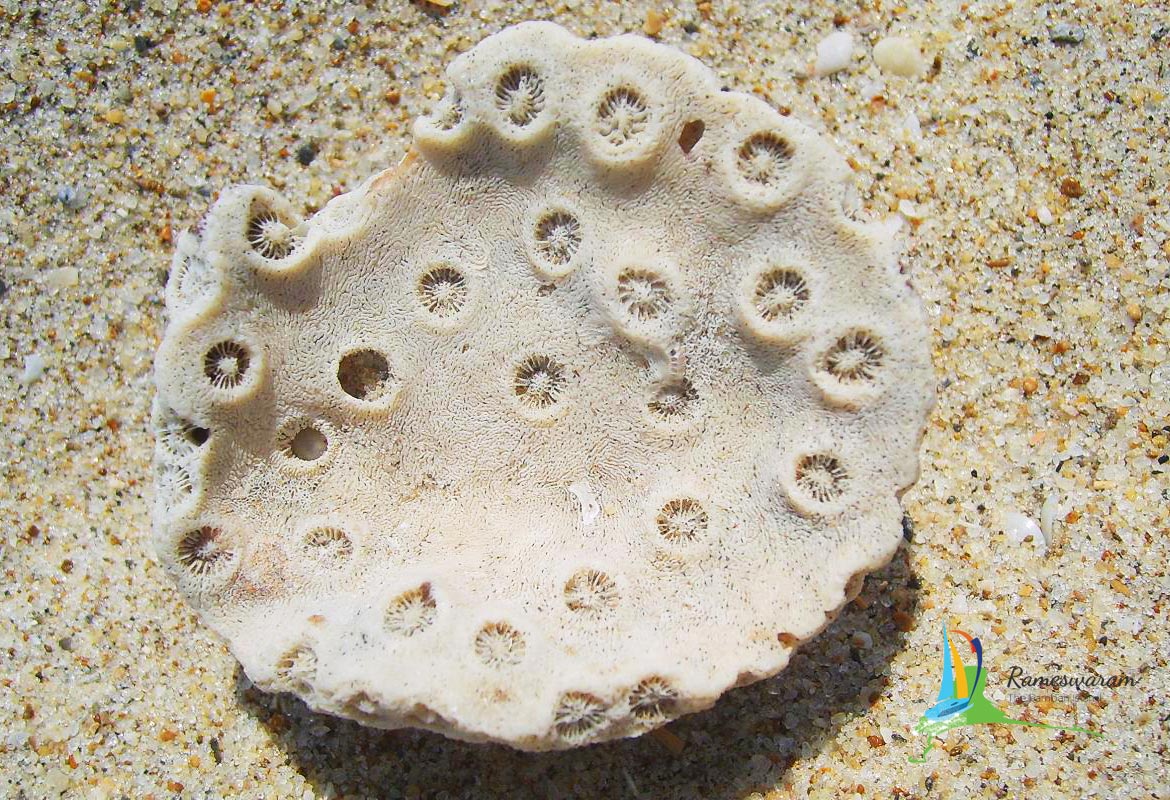
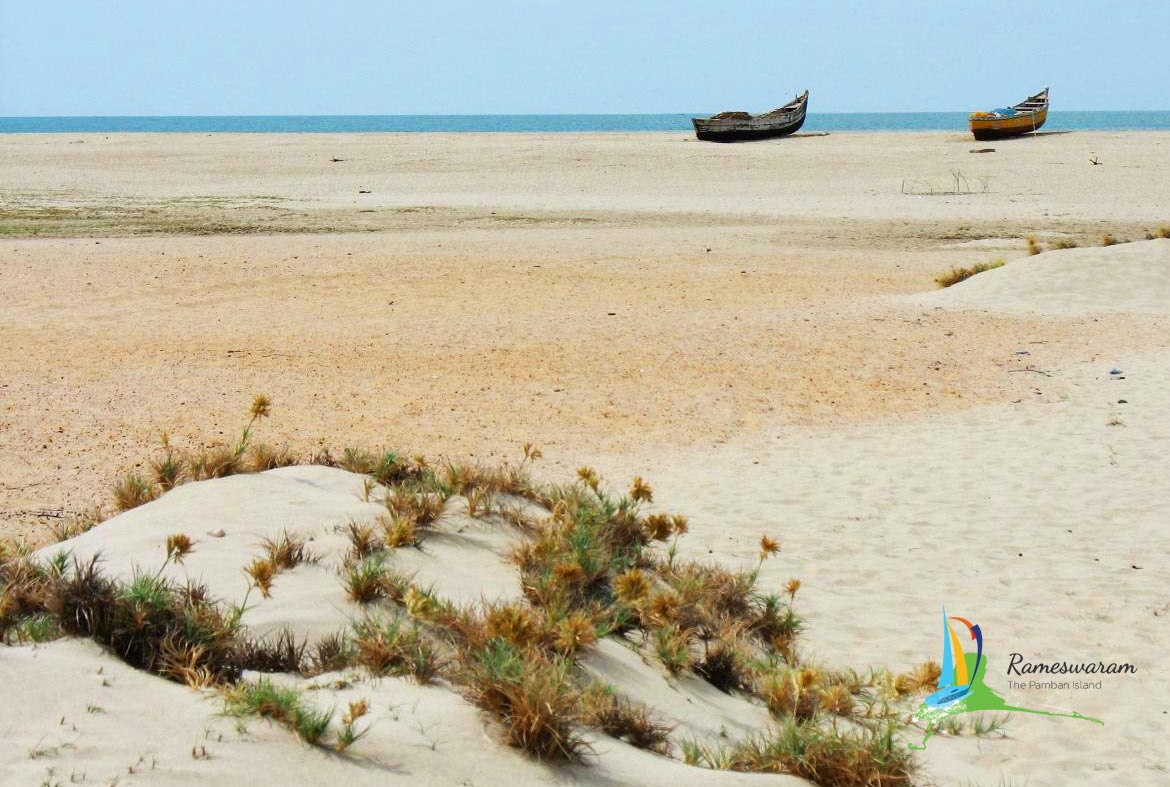
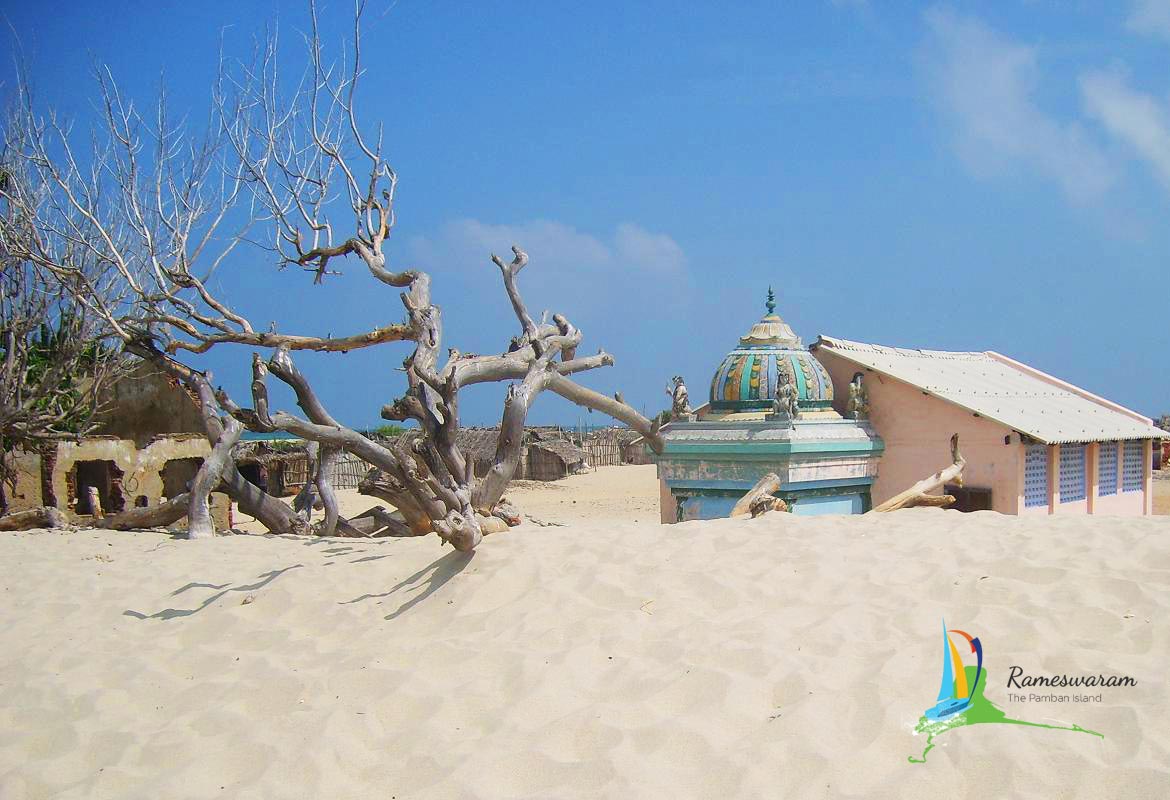
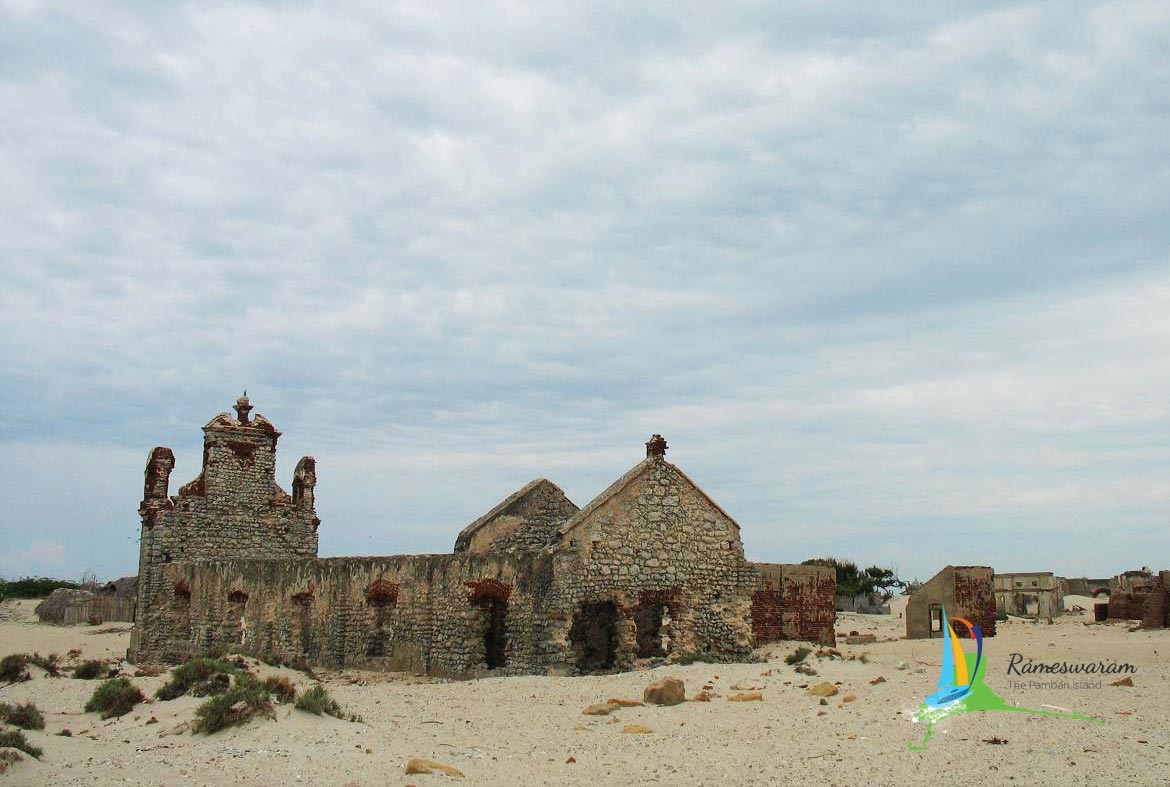
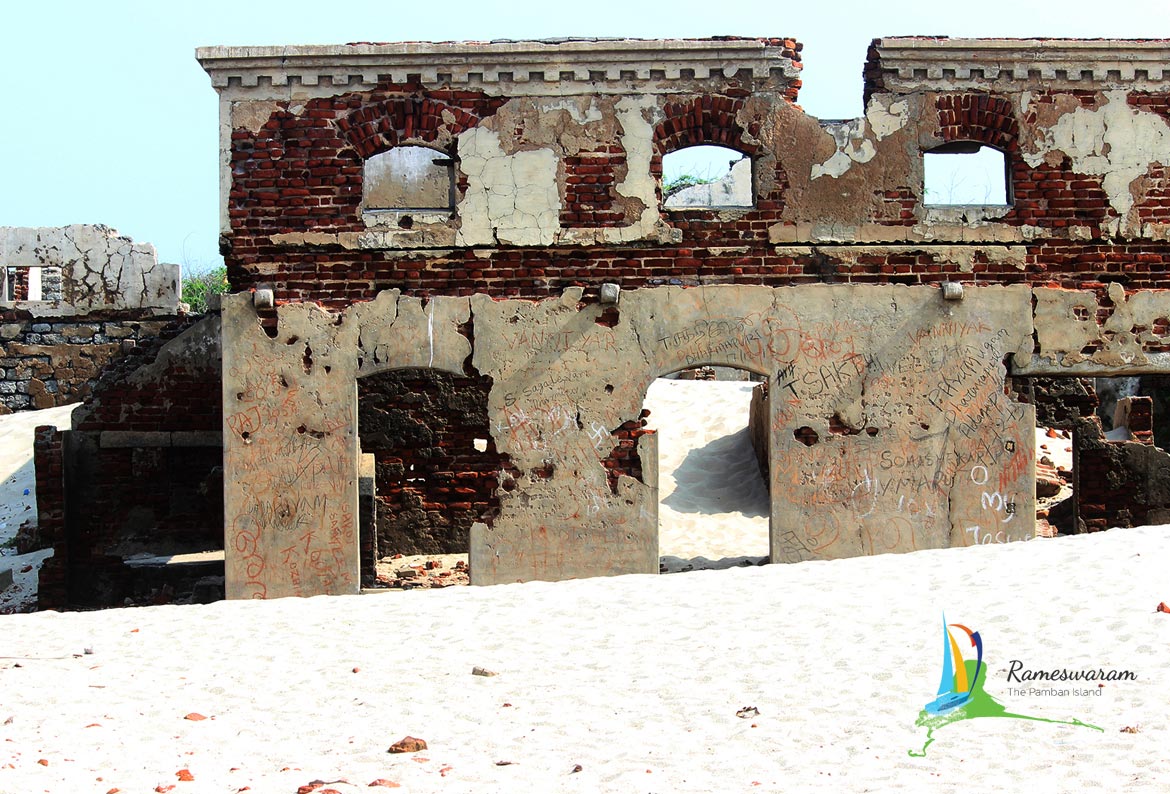
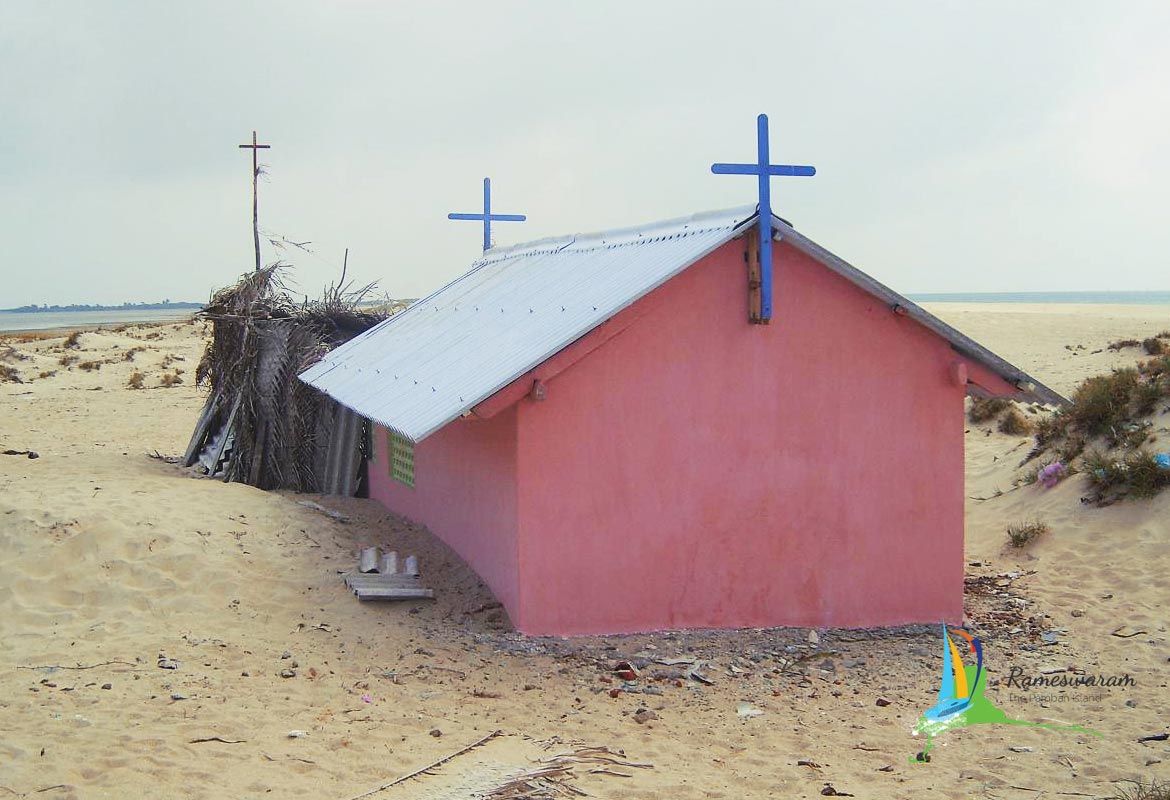
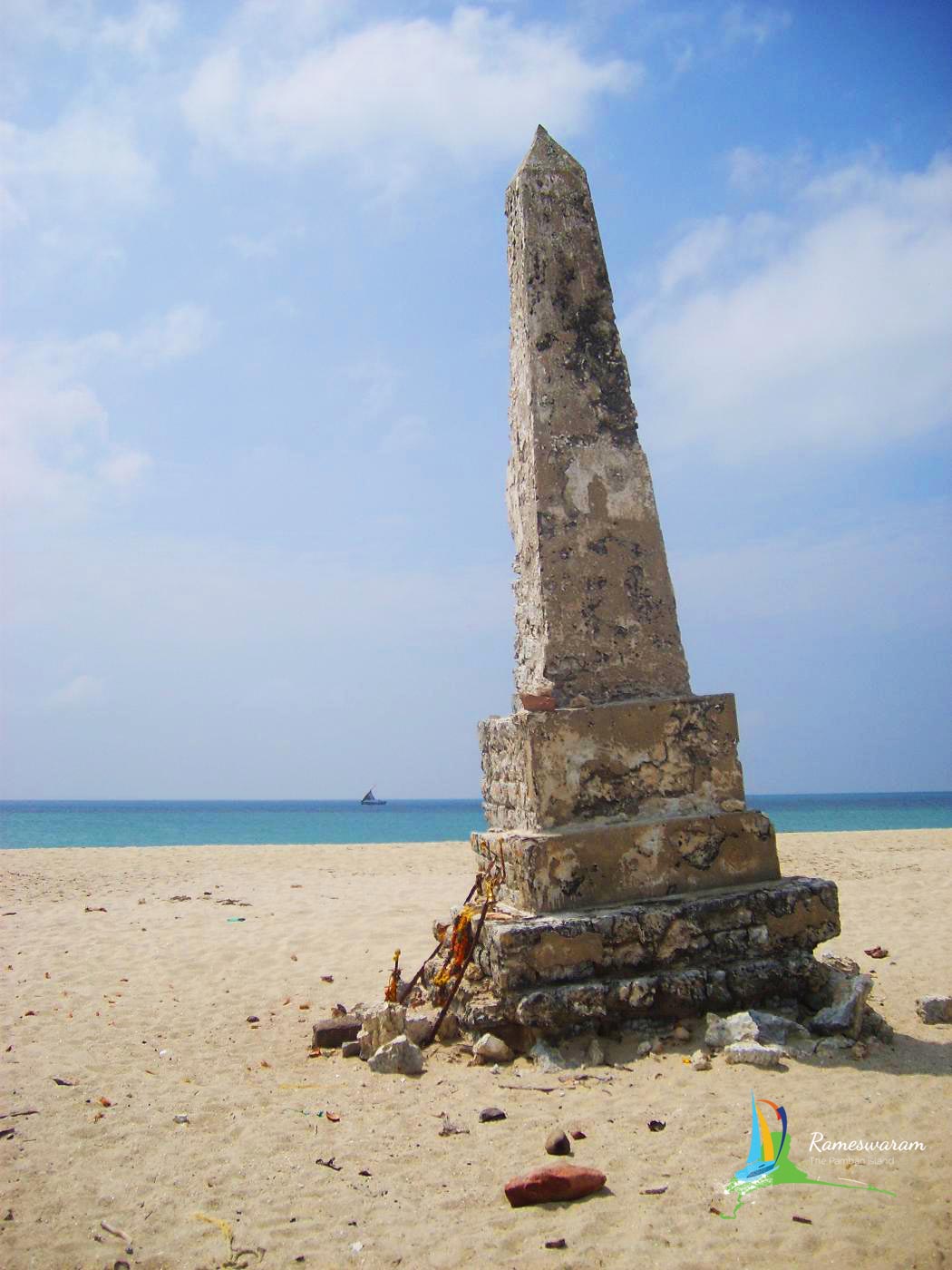
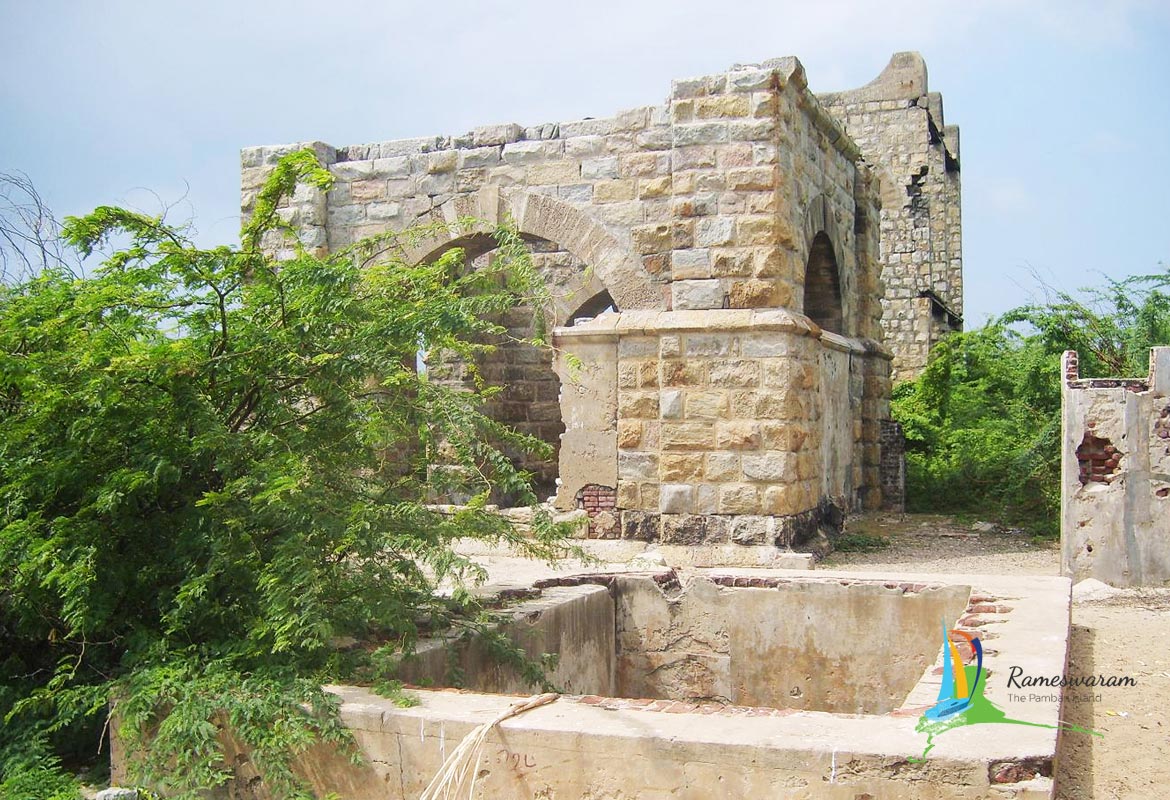
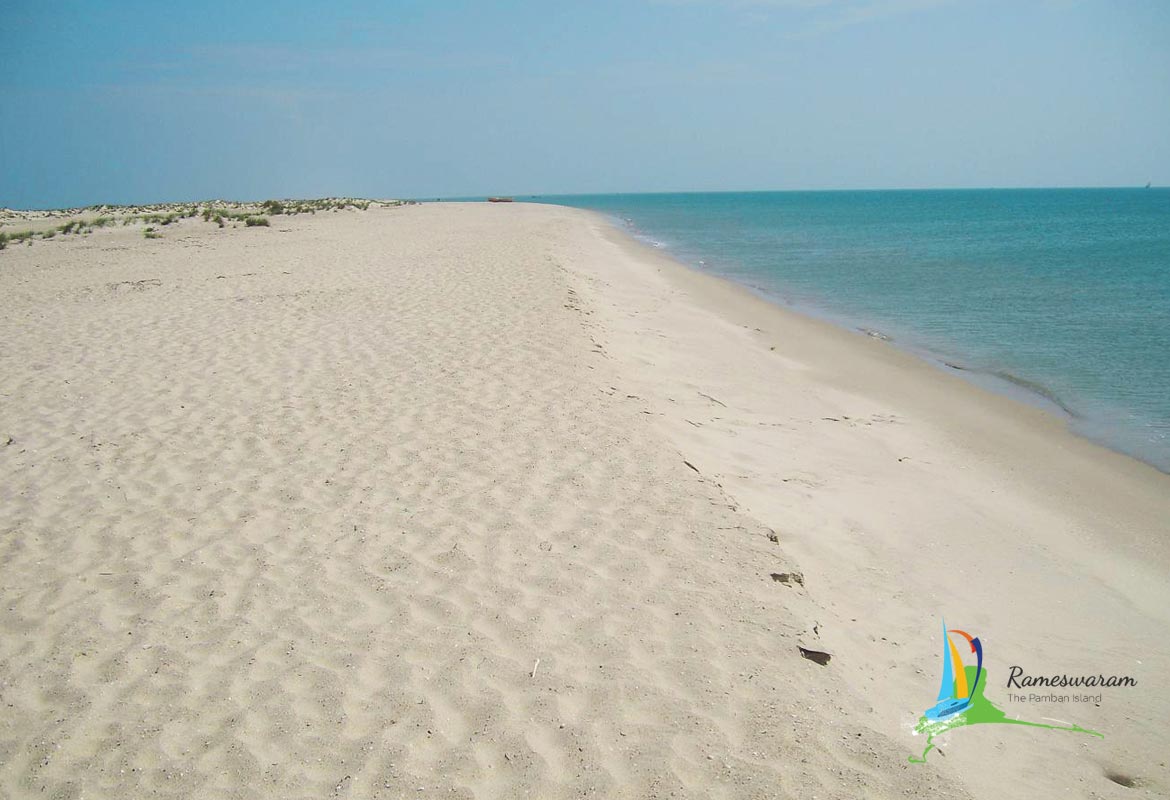
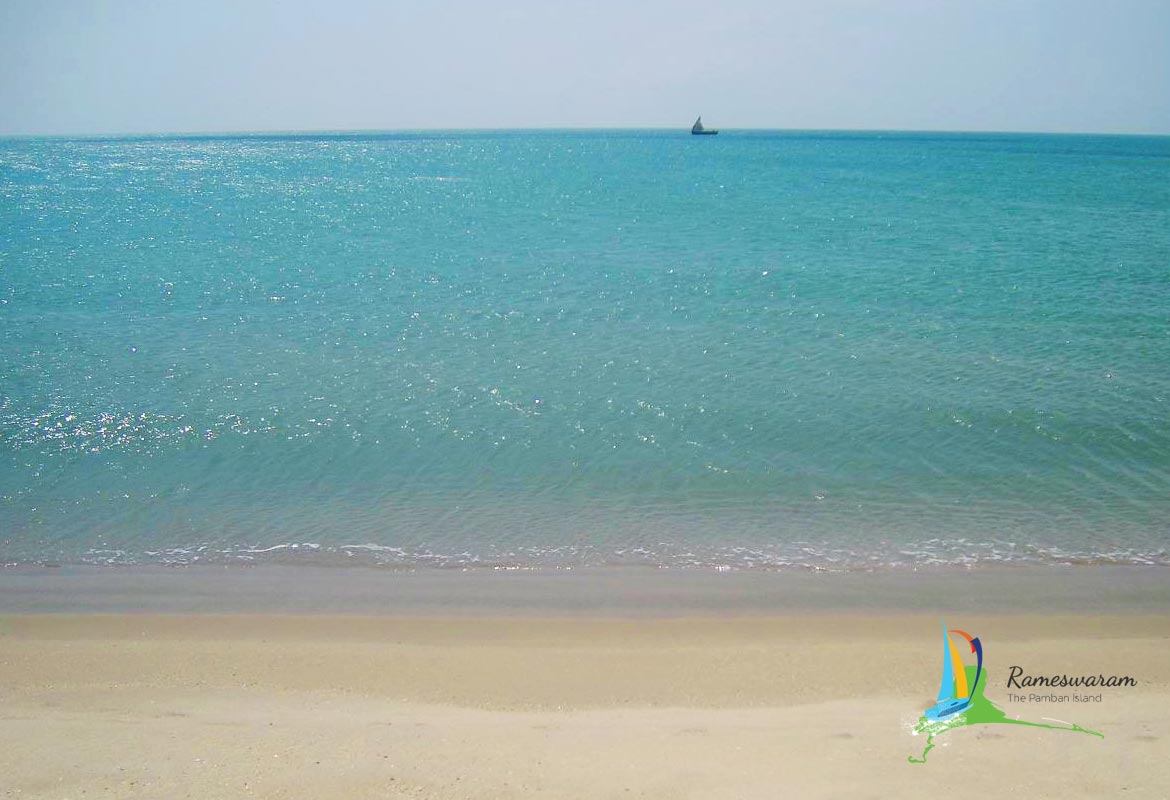
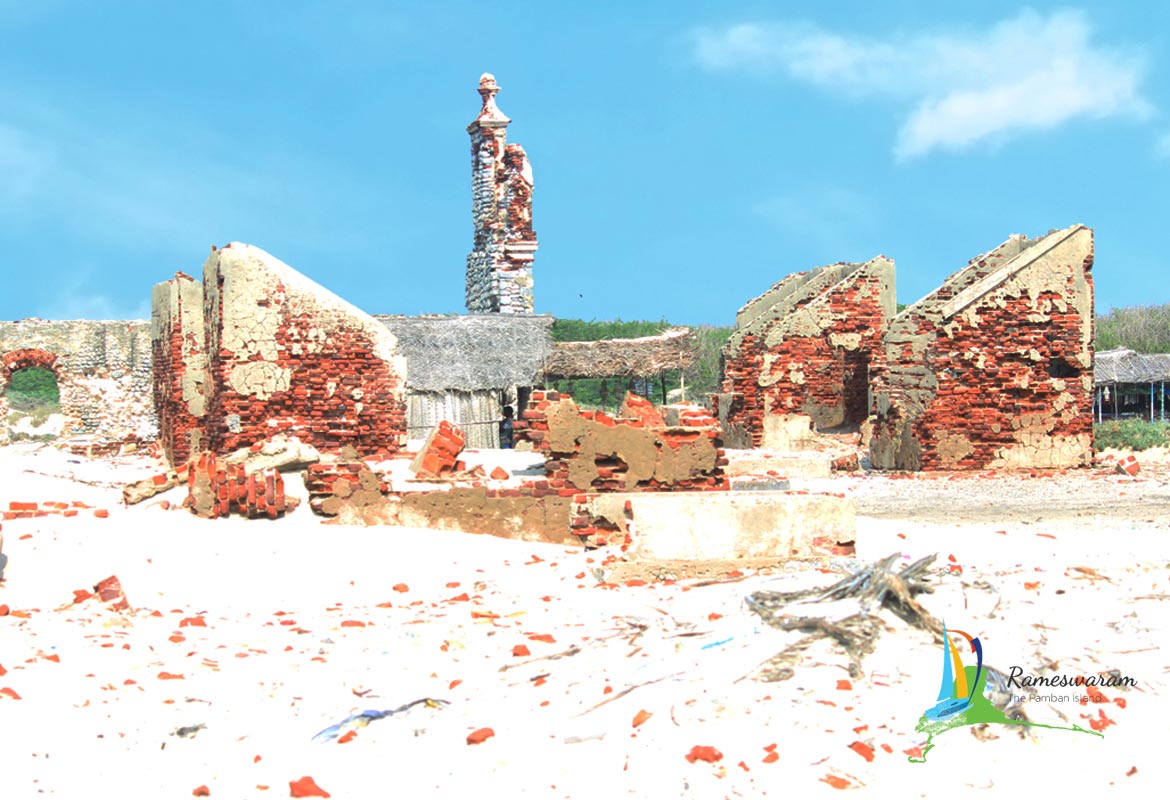
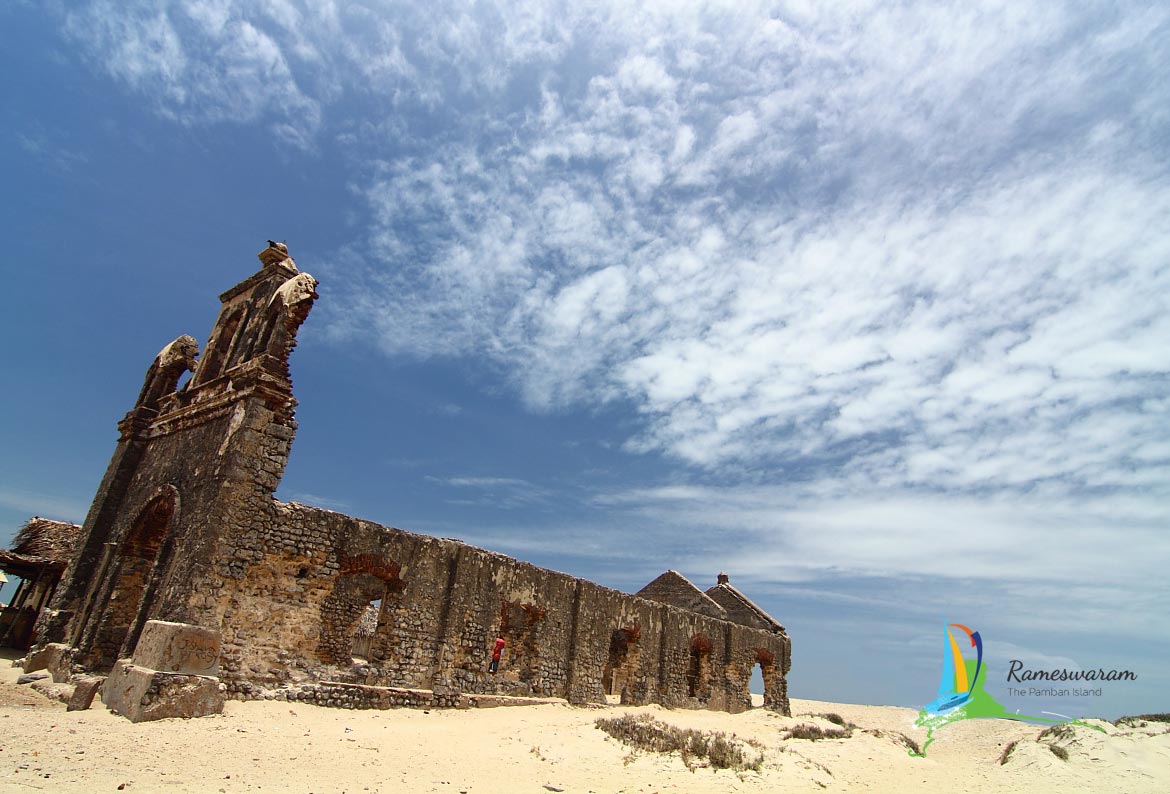
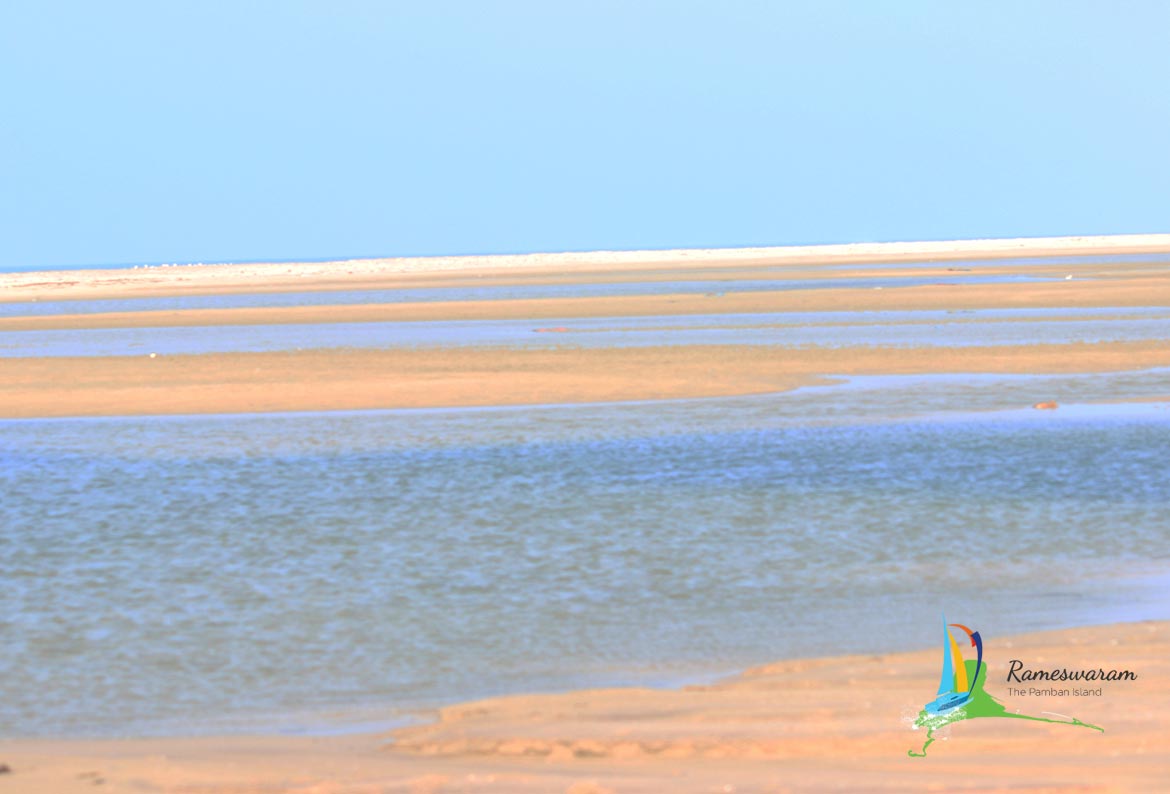
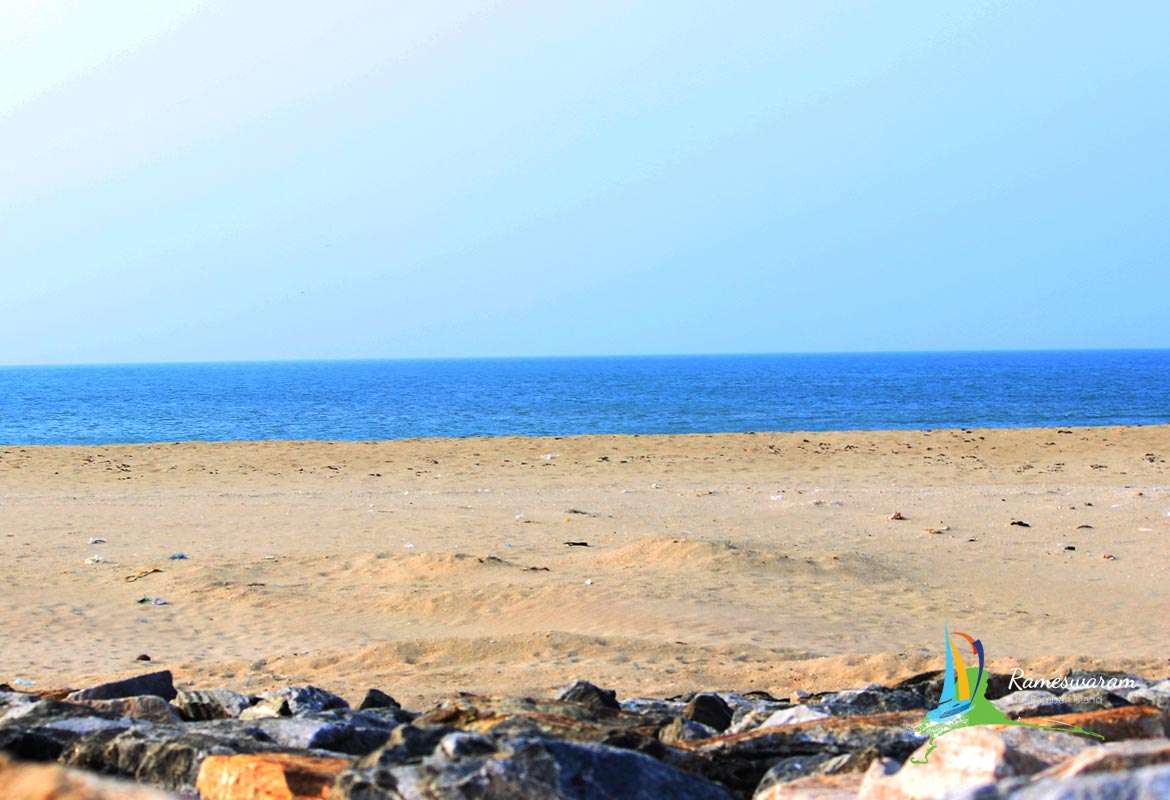
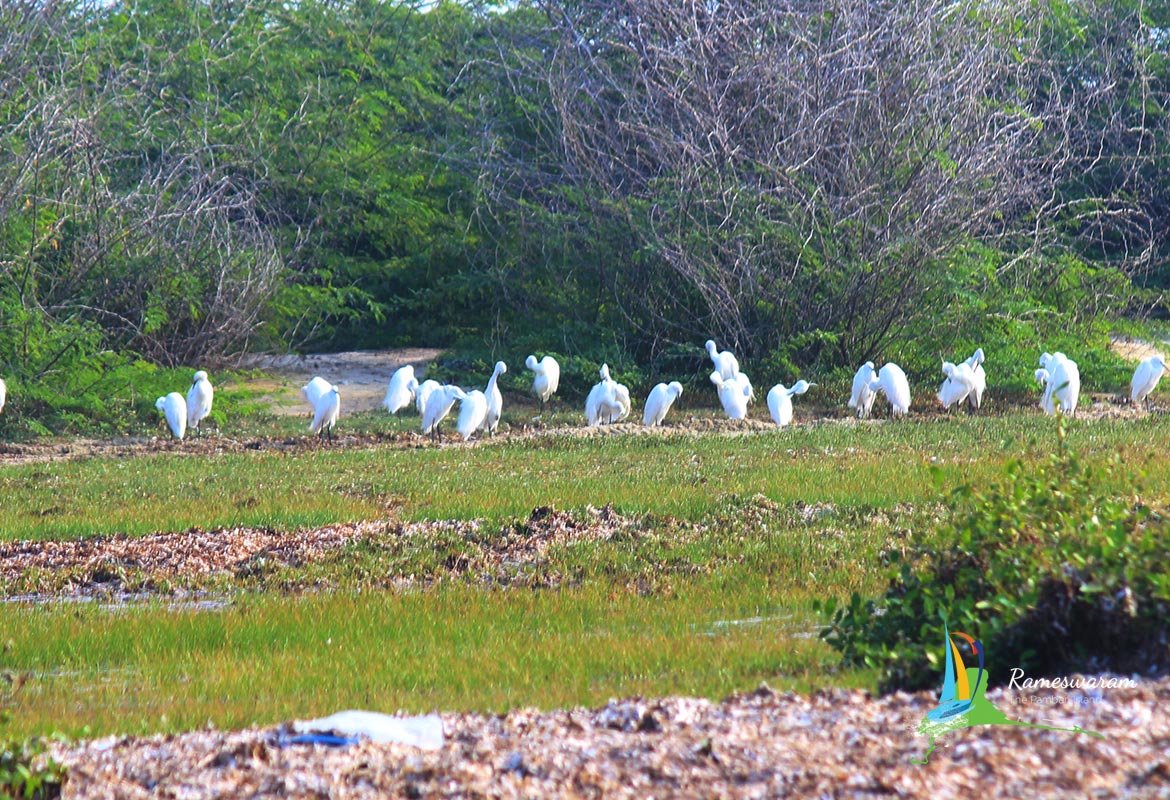
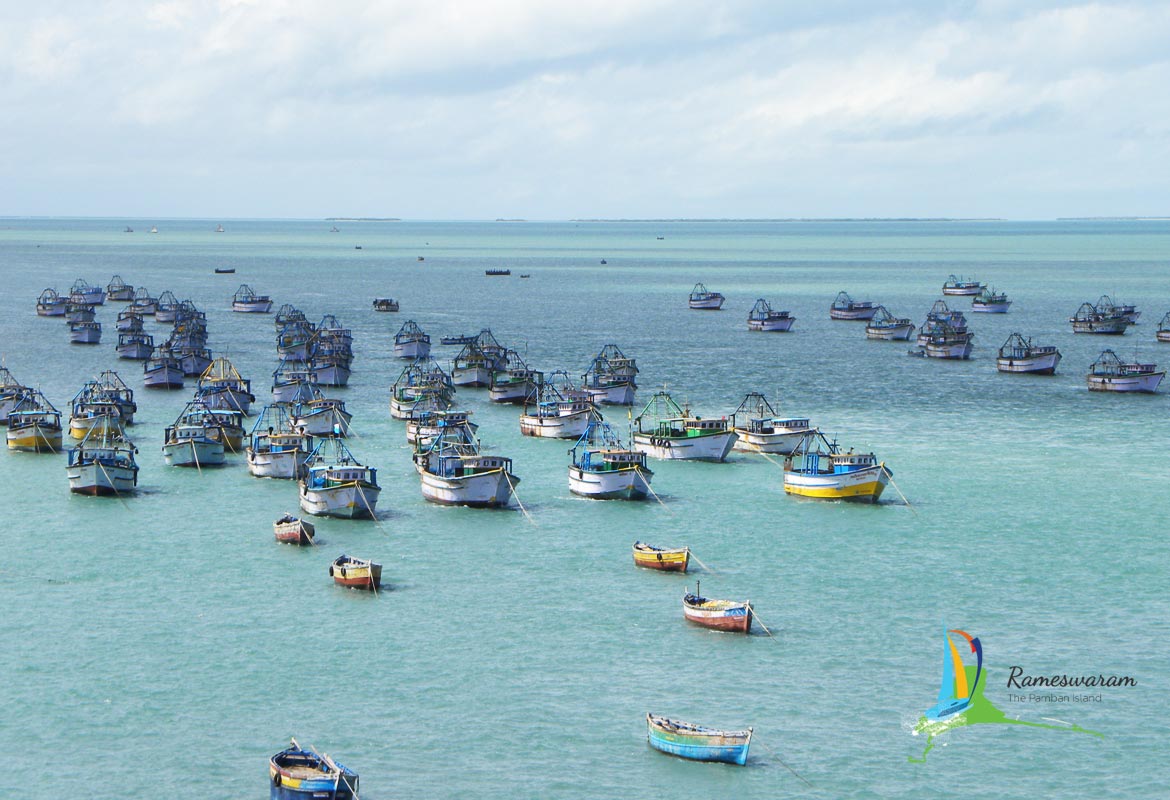
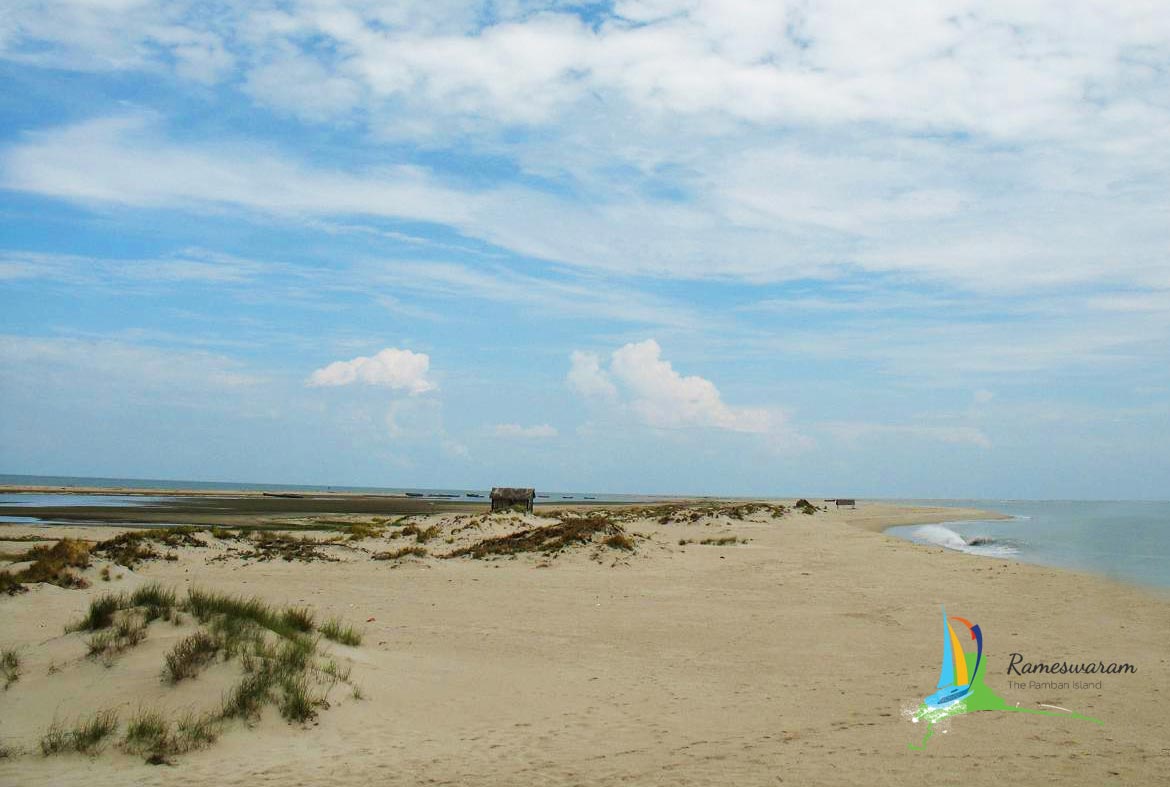
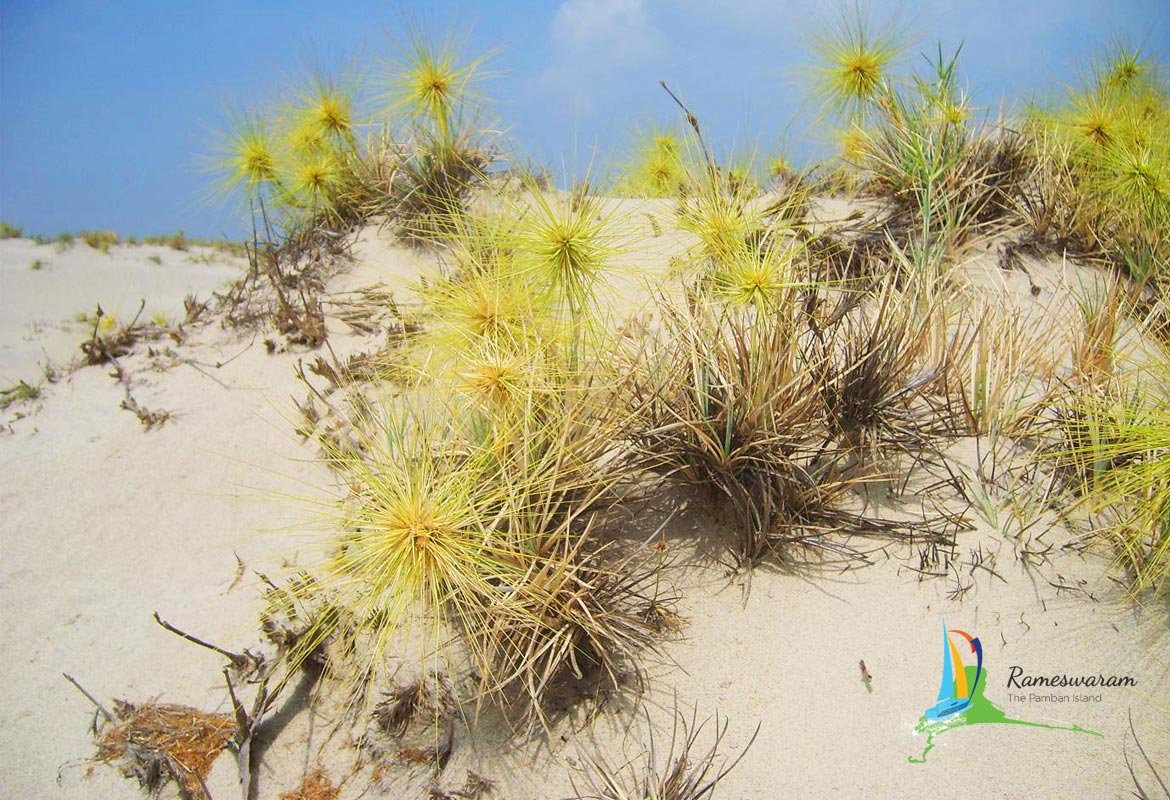
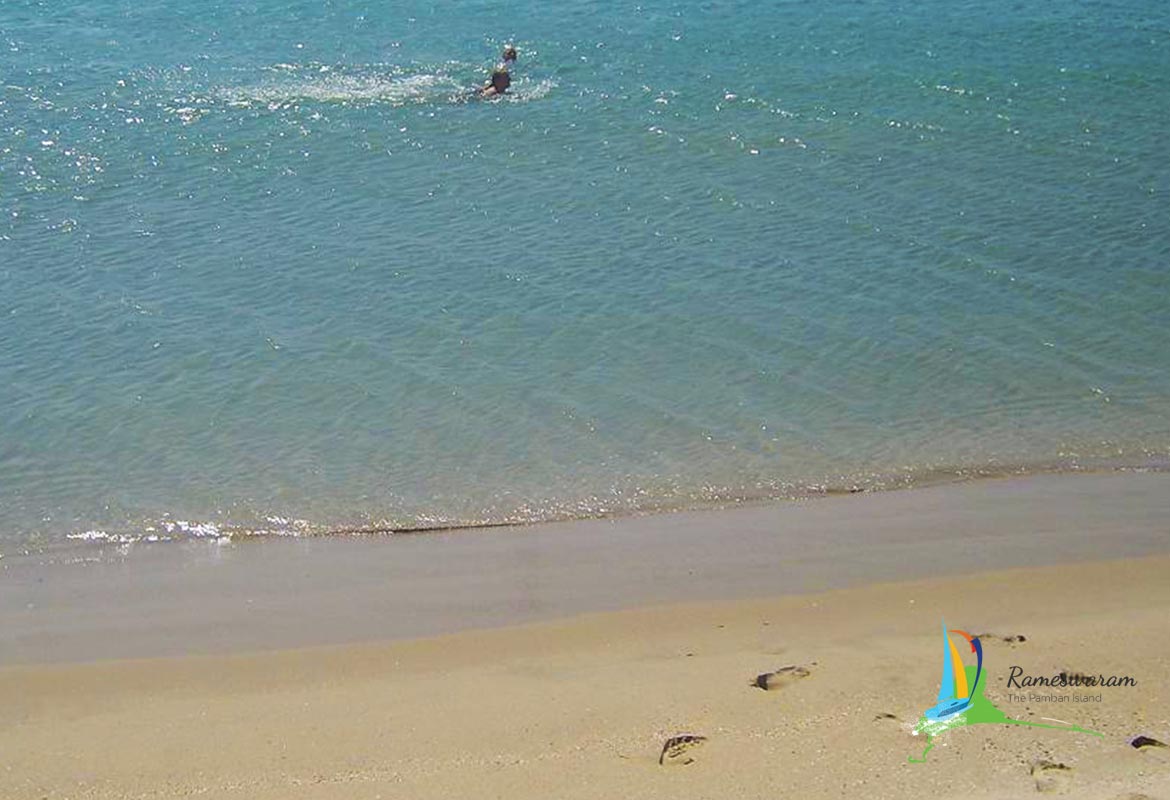
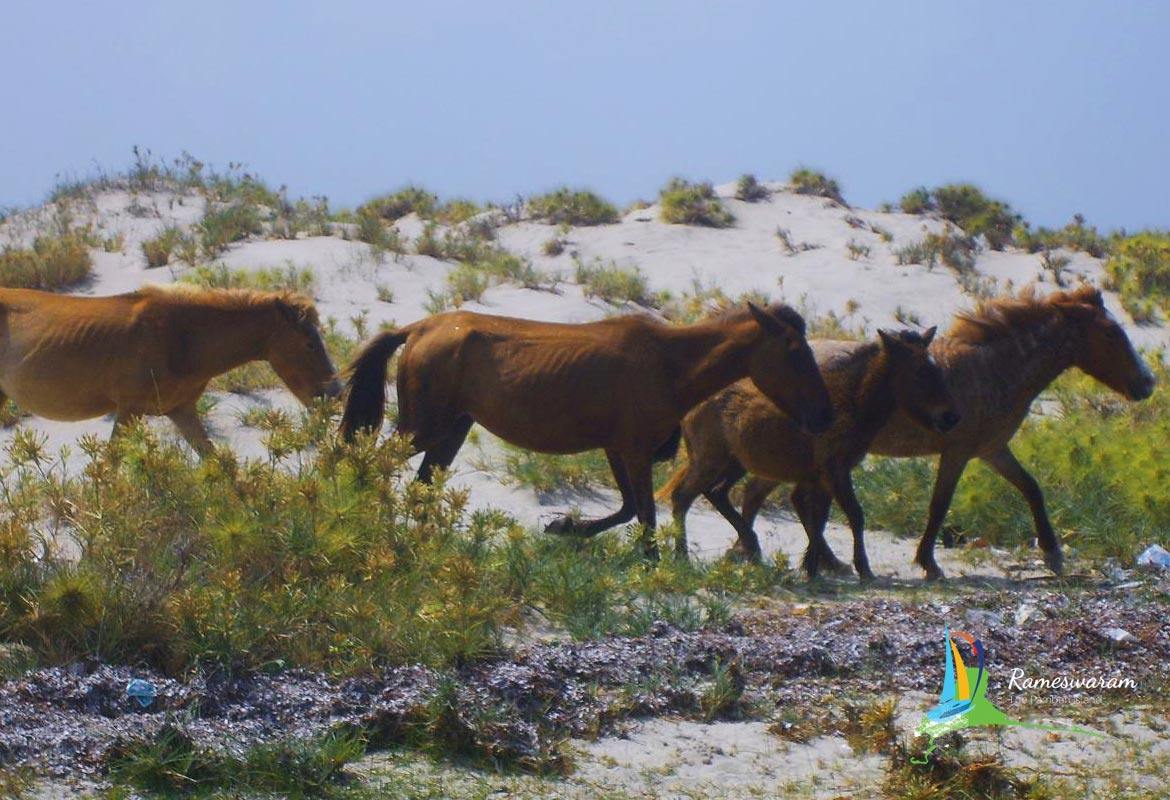
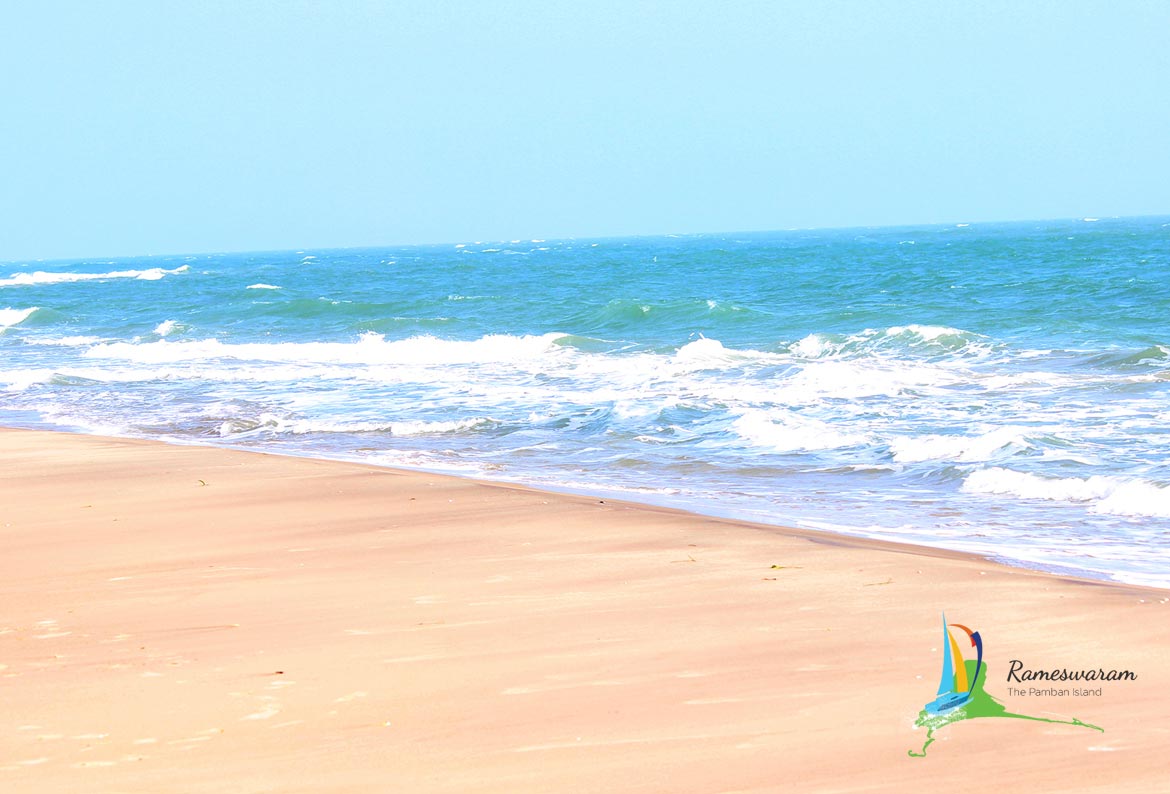
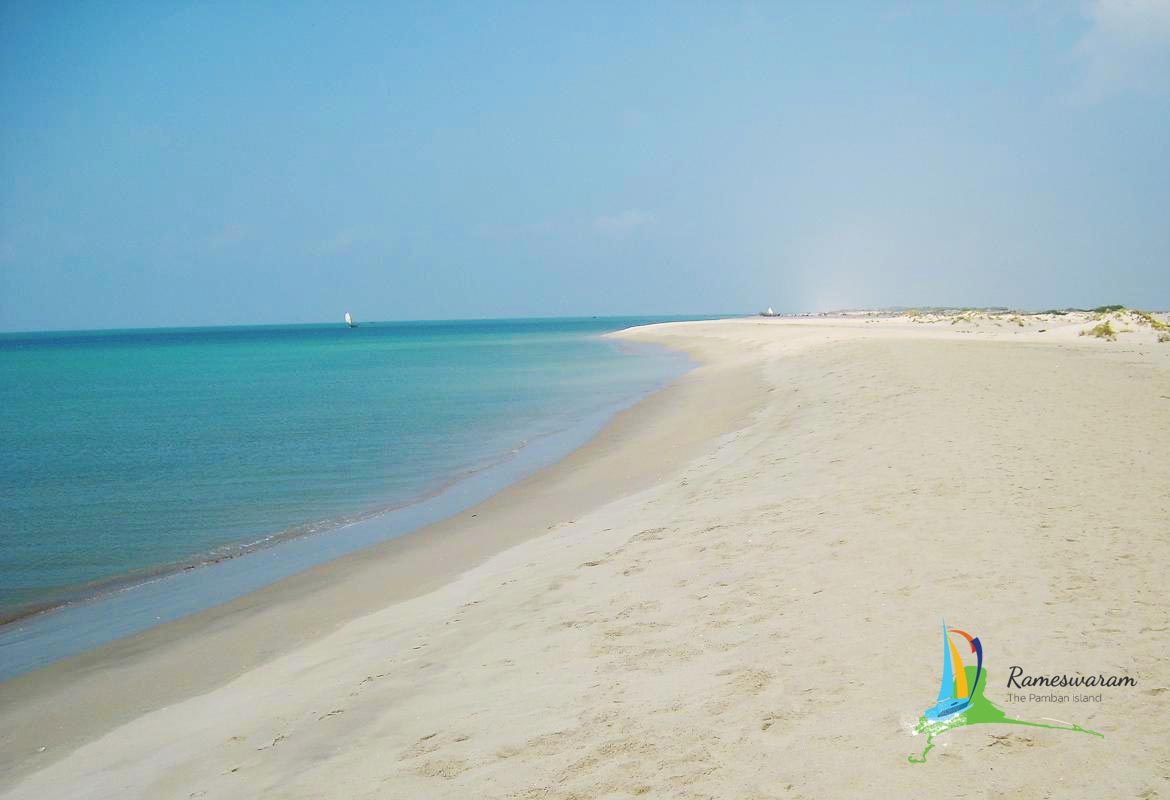
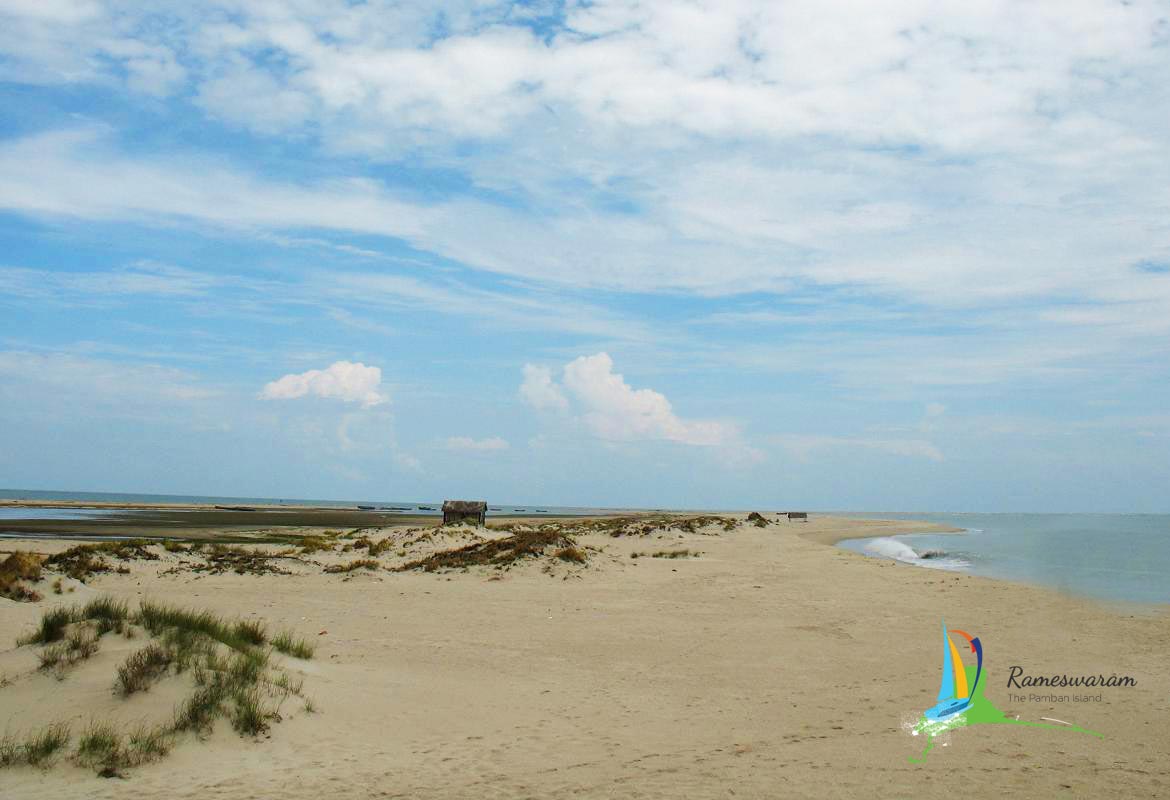
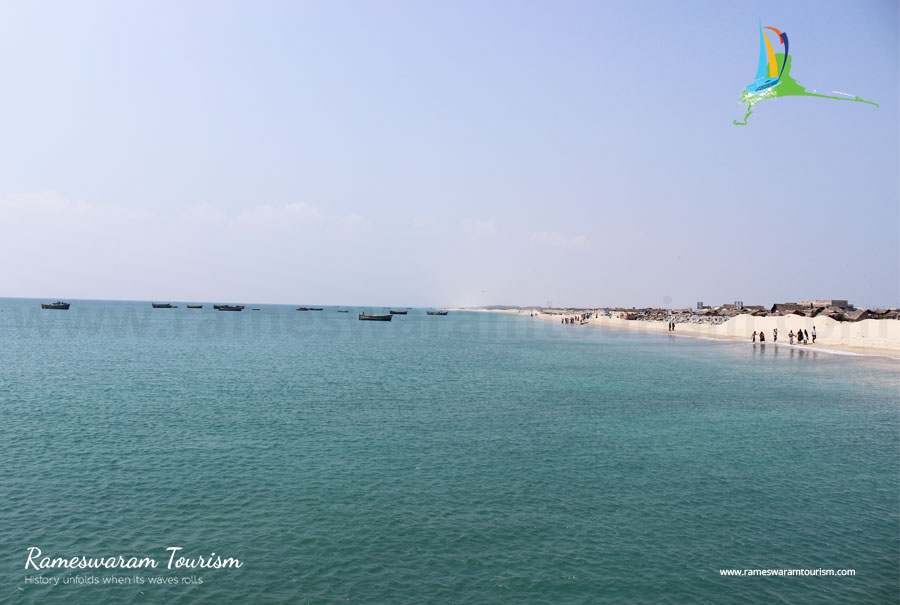
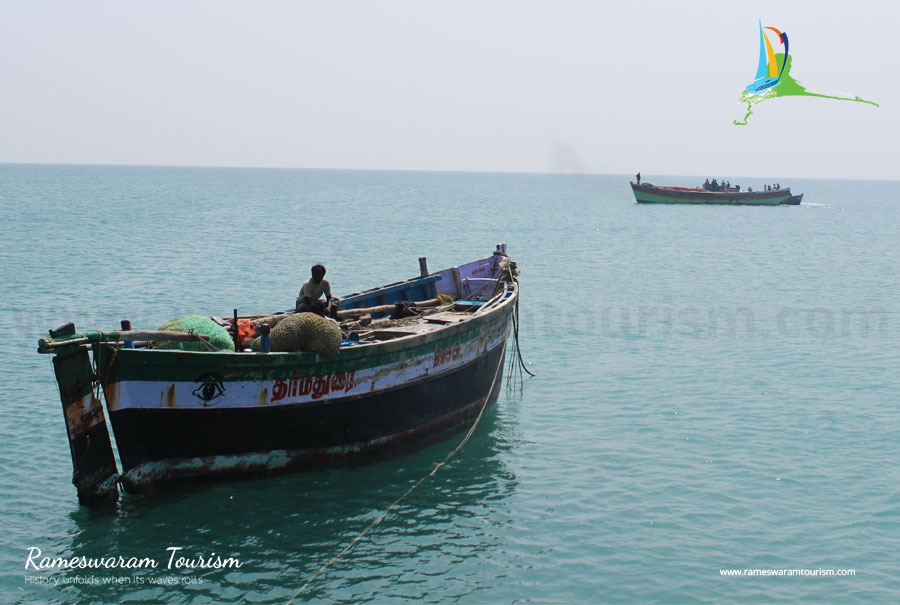
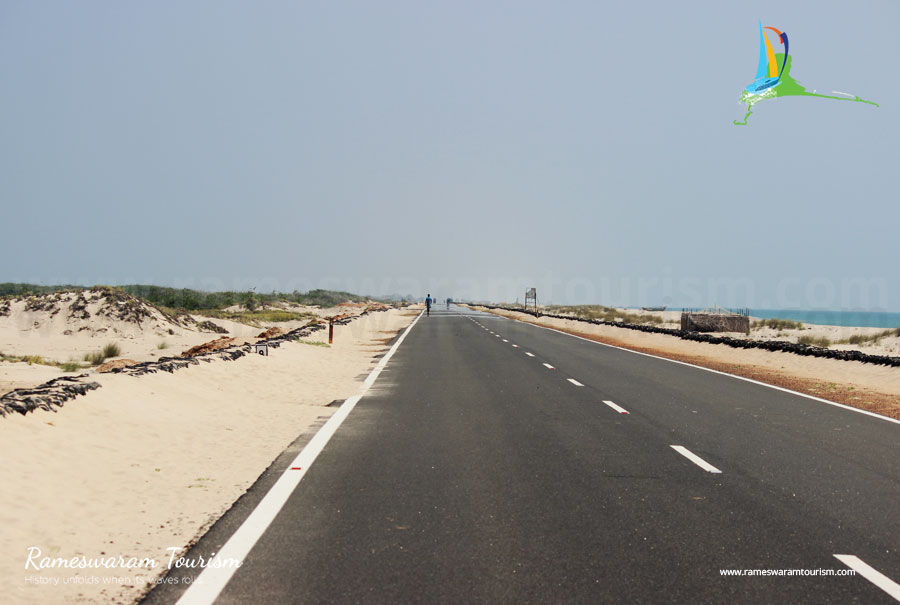
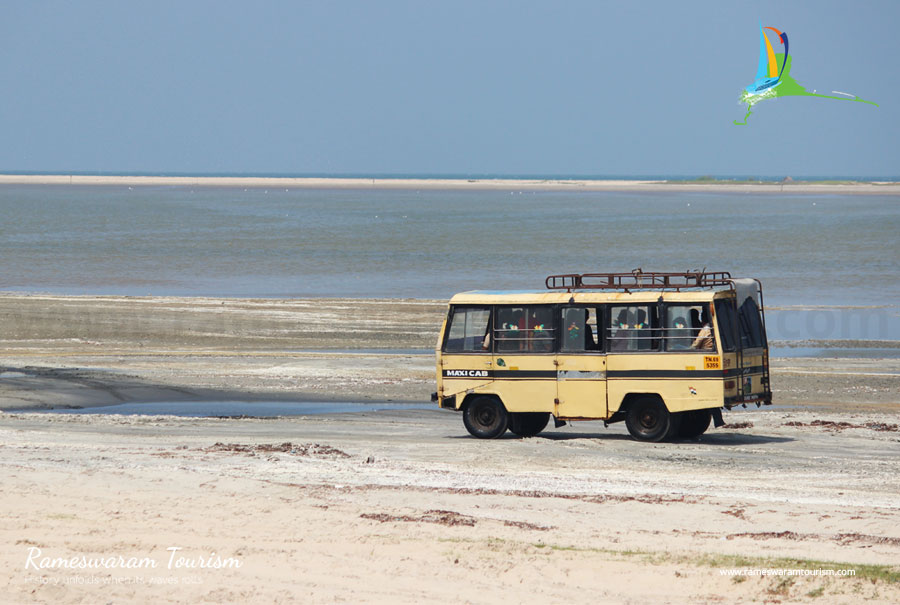
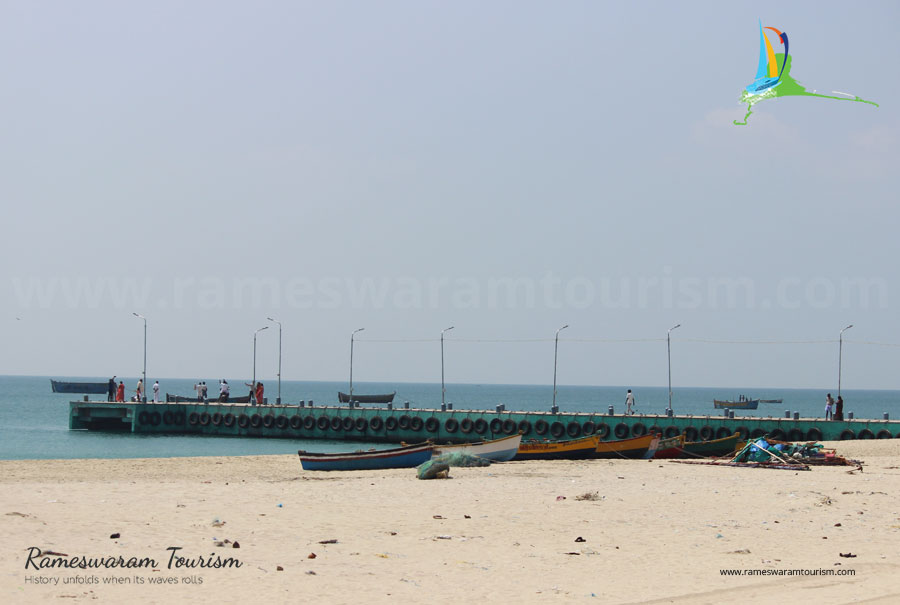
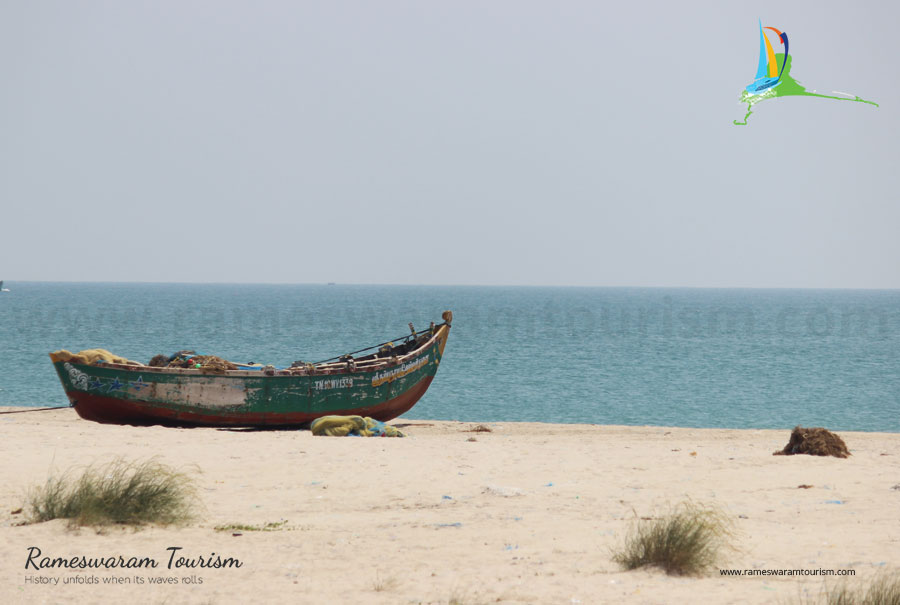
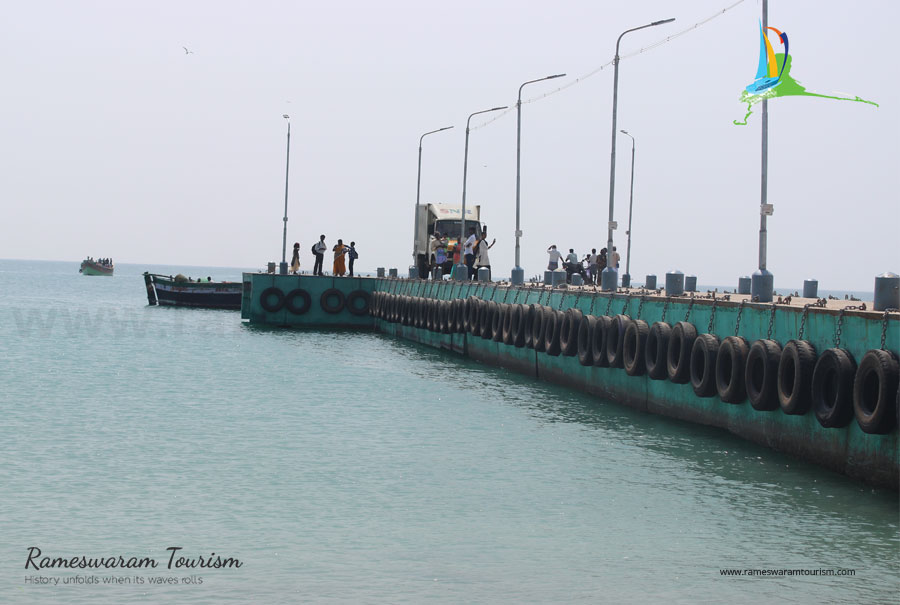
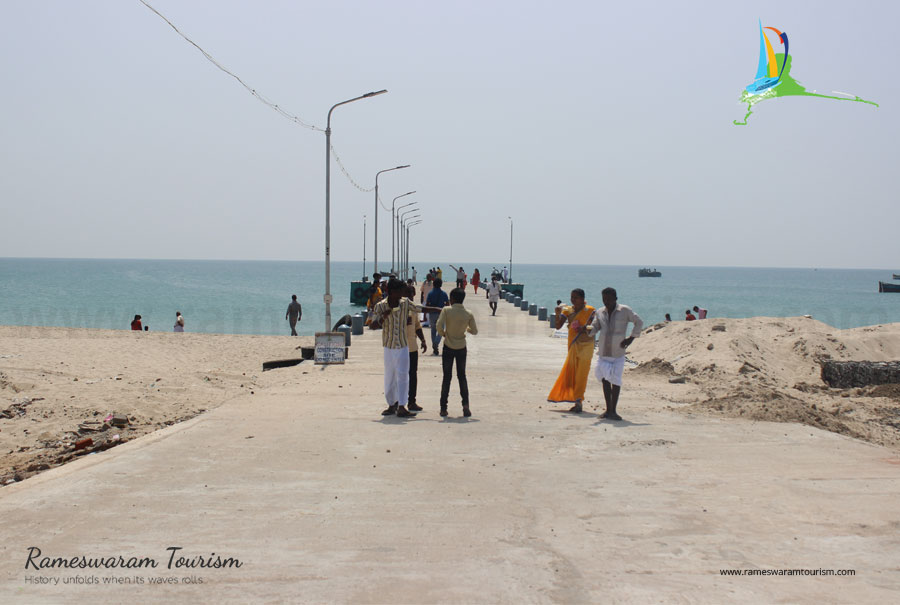
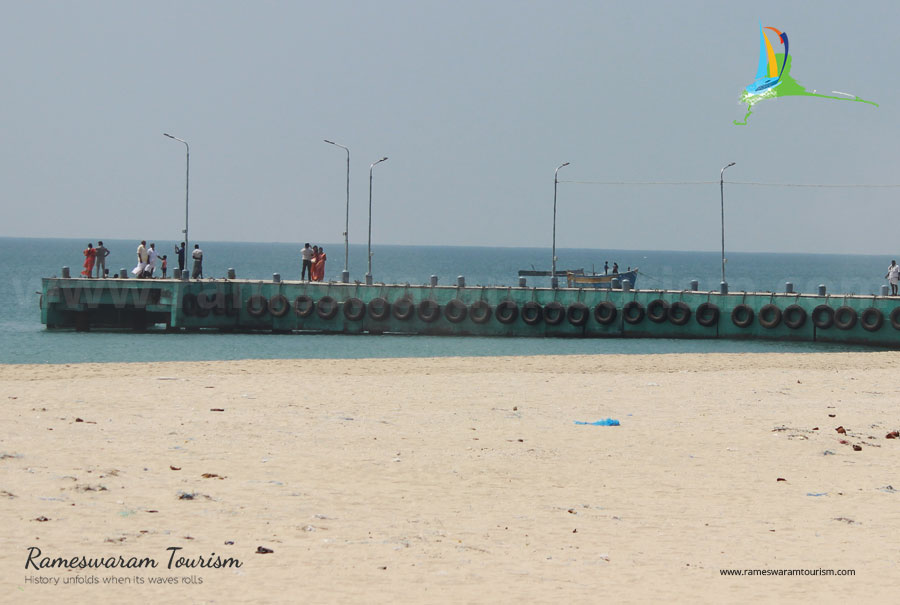
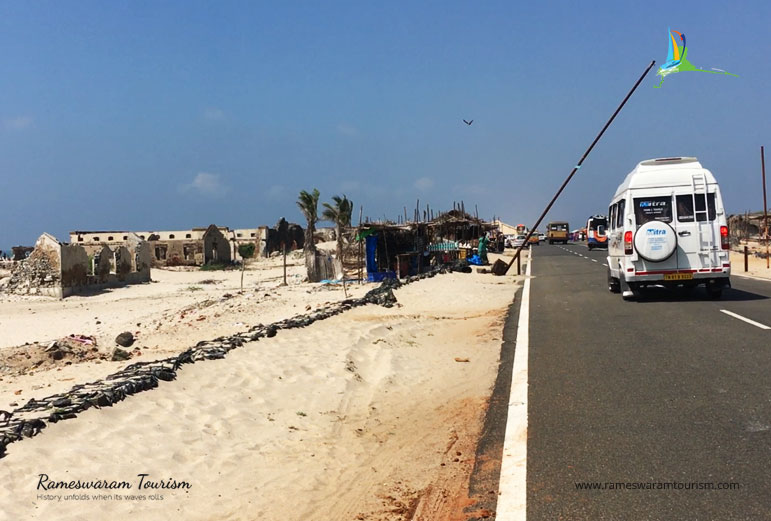
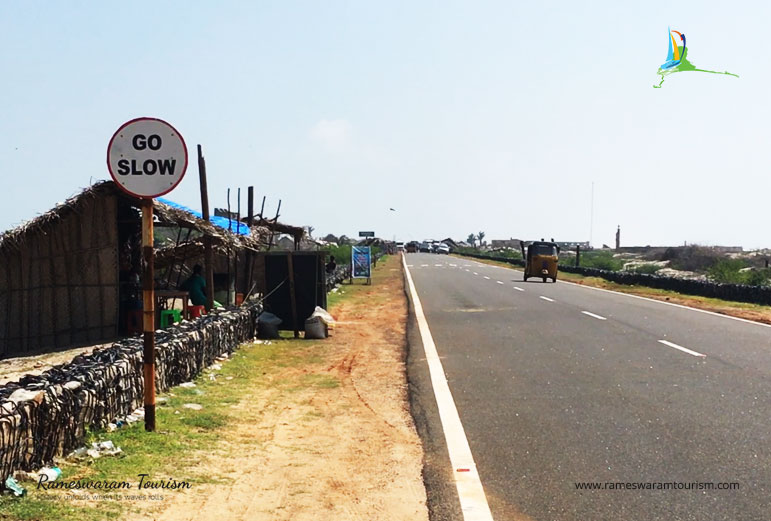
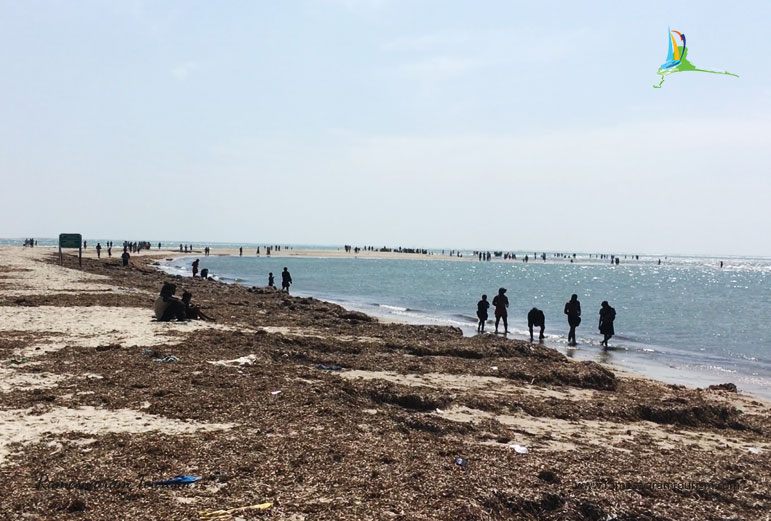
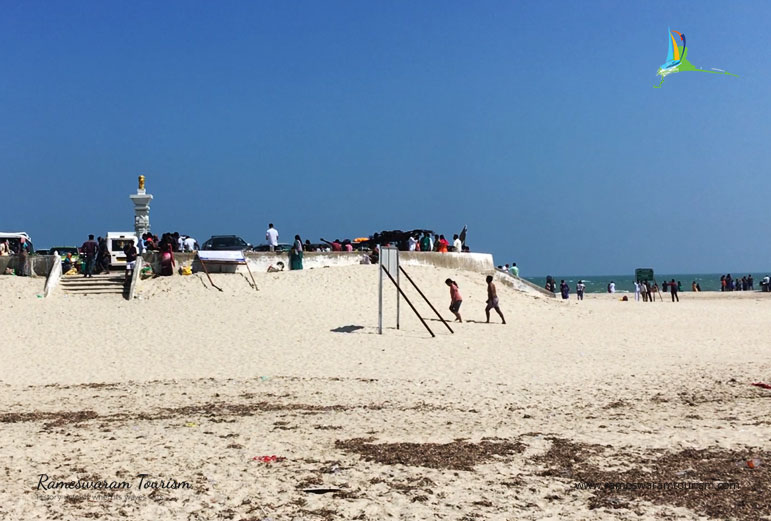
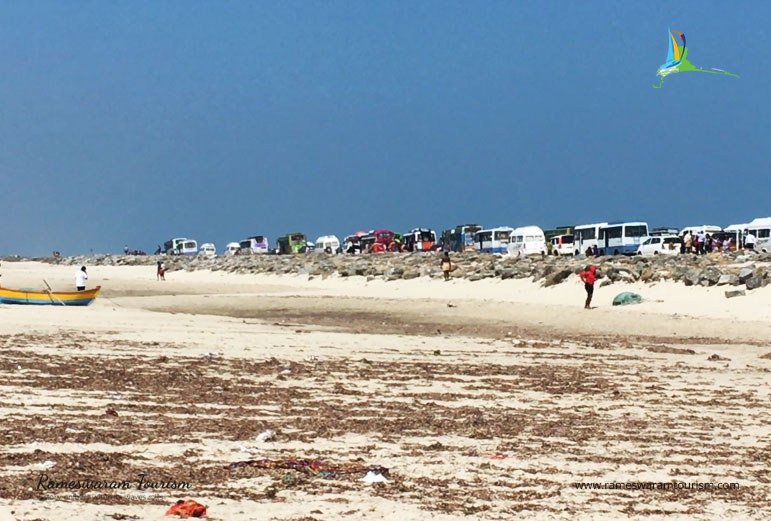
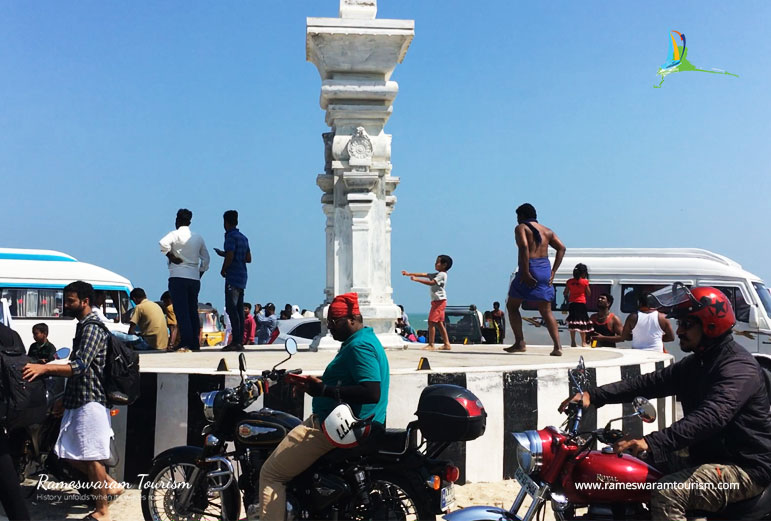
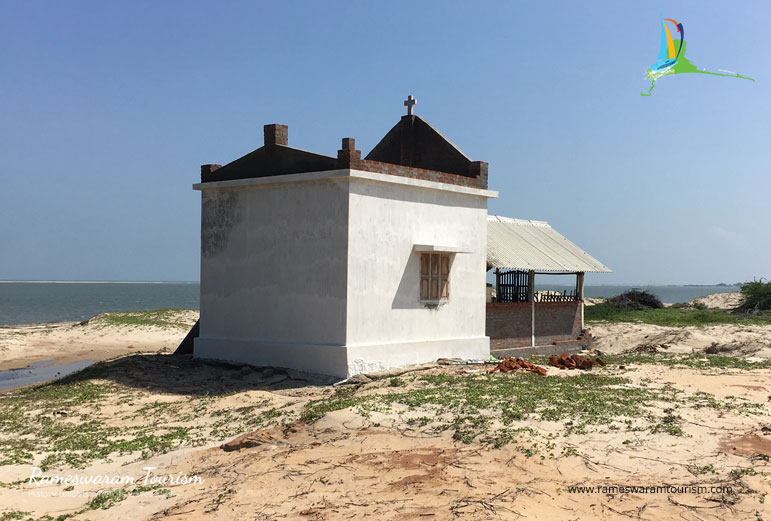
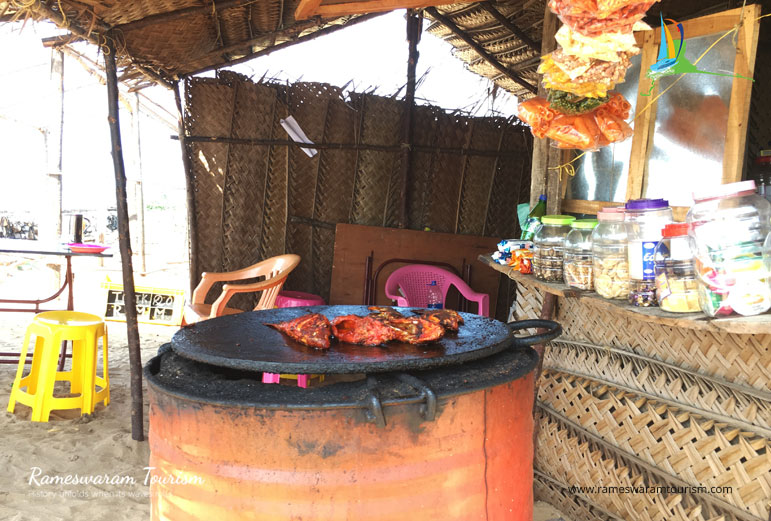
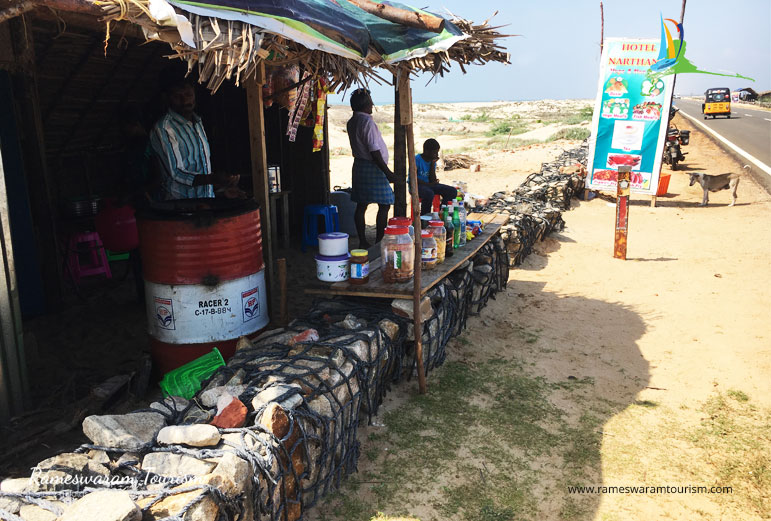
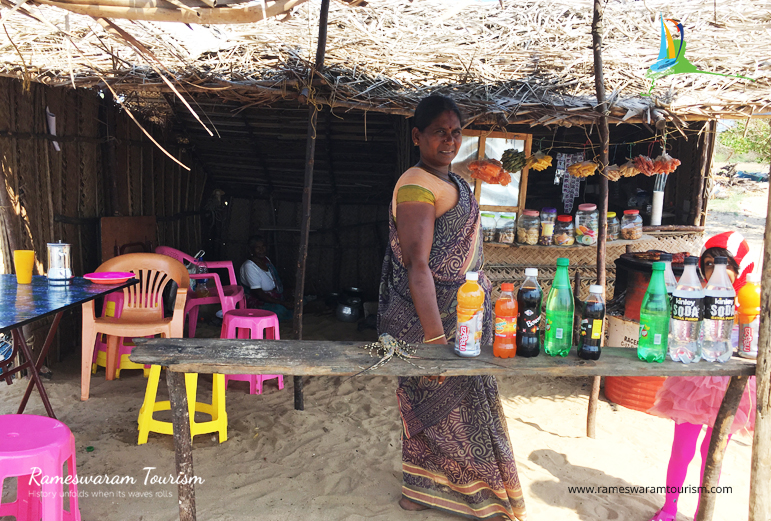
Dhanushkodi is a historic coastal destination at the southern end of Rameswaram Island in Tamil Nadu. Known for the ruins left by the devastating 1964 cyclone, its long coastal landscape, beaches and journey towards Arichal Munai, it is one of the most distinctive places to visit during a trip to Rameswaram.
Located around 18 km from Rameswaram, Dhanushkodi can be reached by road and is usually visited as a half-day trip from Rameswaram.
Dhanushkodi at a glance
| Visitor information | Details |
|---|---|
| Location | Rameswaram Island, Ramanathapuram district, Tamil Nadu |
| Distance from Rameswaram | Approximately 18 km |
| Best for | History, coastal scenery, photography and sightseeing |
| Recommended visit duration | Around 2–3 hours |
| Transport | Bus, taxi, cab or private vehicle, subject to local access rules |
| Famous for | 1964 cyclone ruins, old church ruins, coastline and route towards Arichal Munai |
| Best time to visit | Early morning or late afternoon |
| Weather consideration | Strong winds, rain or rough sea conditions may affect access |
Visitor note: Access towards Dhanushkodi and Arichal Munai can occasionally be restricted because of weather, sea conditions or local administration instructions. Check the latest local update before travelling.
What is Dhanushkodi?
Dhanushkodi is a historic coastal settlement situated at the southern end of Rameswaram Island.
Once a functioning town with a railway station, church, post office and other facilities, Dhanushkodi was devastated by a powerful cyclone in December 1964.
Today, the surviving ruins and surrounding coastal landscape tell the story of the former town and attract travellers from across India and overseas.
Dhanushkodi is also associated with stories from the Ramayana, adding religious significance to its historical and geographical importance.
Why is Dhanushkodi famous?
Dhanushkodi is mainly famous for its combination of history, dramatic coastal scenery and cultural significance.
Visitors come here to experience:
- the remains of the old Dhanushkodi settlement
- the historic church ruins
- views across the coastline
- the road towards Arichal Munai
- sunrise and early-morning scenery
- the history of the 1964 cyclone
- locations associated with local Ramayana traditions
Unlike many conventional tourist attractions, Dhanushkodi is less about a single monument and more about experiencing the landscape and the history of the place.
What happened to Dhanushkodi in 1964?
Dhanushkodi was devastated by a severe cyclone in December 1964.
The disaster caused extensive destruction across the settlement and resulted in significant loss of life. Buildings, railway infrastructure and other parts of the town were destroyed.
The disaster permanently changed Dhanushkodi.
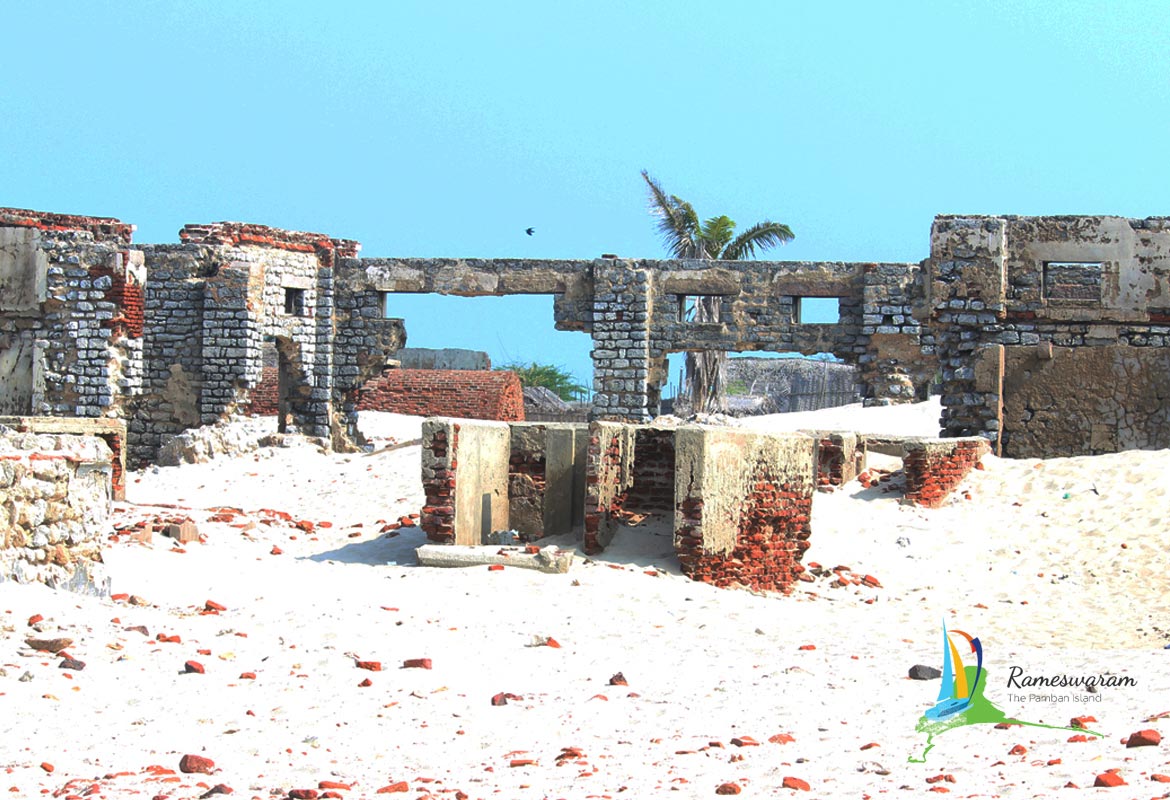
Several ruins can still be seen today and have become an important reminder of the town that once existed here.
Visitors should treat these locations as historical remains rather than simply photo spots.
Places to see in Dhanushkodi
1. Dhanushkodi Church Ruins
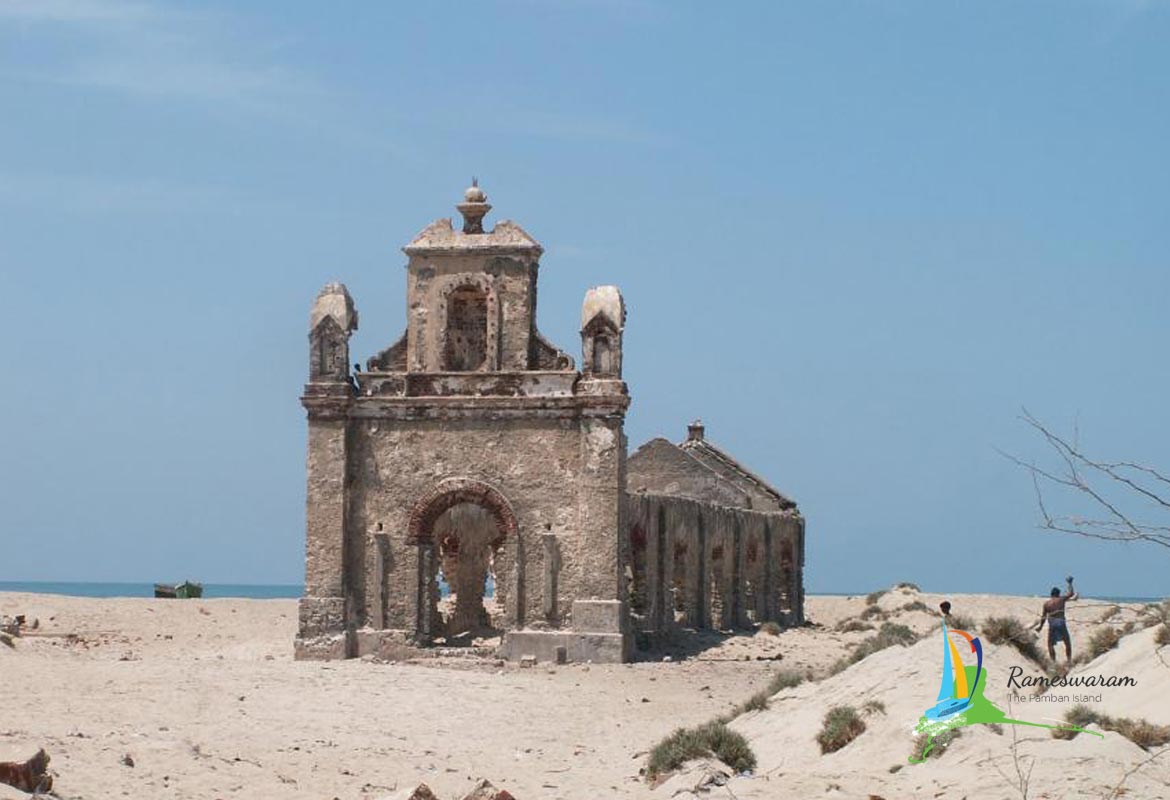
The remains of the old church are among the most recognisable landmarks in Dhanushkodi.
Its weathered walls standing against the open coastal landscape give visitors a glimpse into life in the town before the 1964 cyclone.
2. Old Dhanushkodi Ruins
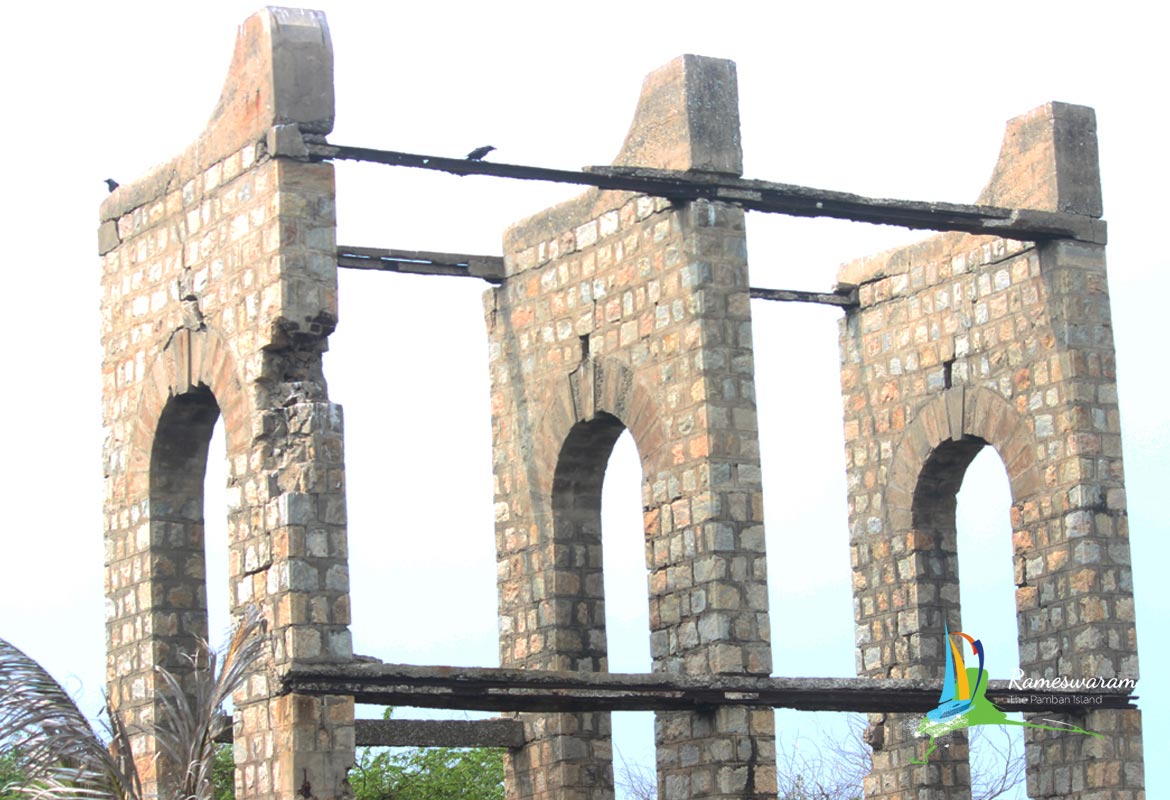
Scattered remains of buildings and structures from the former settlement can still be seen around Dhanushkodi.
Together, they help tell the story of the community that once lived here.
3. Dhanushkodi Beach
The wide coastline is one of the main reasons travellers visit Dhanushkodi.
The scenery can be beautiful, but visitors should be cautious near the water. Sea conditions can change quickly and some stretches may experience strong currents or winds.
4. Arichal Munai
Arichal Munai lies towards the far end of the Dhanushkodi road and is one of the most popular stops for visitors travelling through the area.
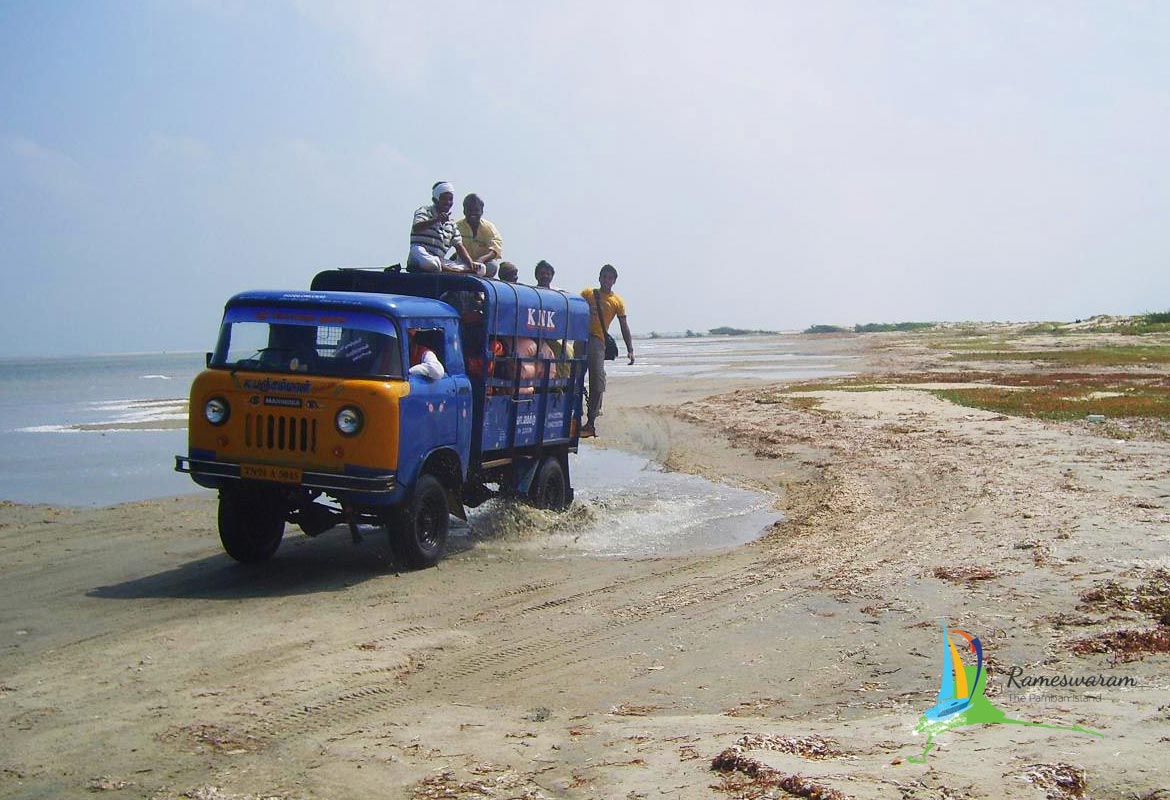
The journey itself is a major part of the experience, with stretches of sea and sandy coastal terrain visible along the route.
Access can be controlled by local authorities depending on weather and safety conditions.
5. Kothandaramaswamy Temple
Kothandaramaswamy Temple is situated on the route towards Dhanushkodi and is associated with the Ramayana tradition.
Local belief holds that this area is connected with Vibhishana, the brother of Ravana, surrendering to Lord Rama.
Travellers interested in the religious history of Rameswaram may wish to include the temple during their journey.
How far is Dhanushkodi from Rameswaram?
Dhanushkodi is approximately 18 km from Rameswaram.
Journey time varies depending on where you start in Rameswaram, traffic, stops along the route and any access restrictions in place.
For sightseeing, it is sensible to allow approximately half a day for travelling to Dhanushkodi, visiting the main locations and returning to Rameswaram.
How to reach Dhanushkodi from Rameswaram
Dhanushkodi is accessible by road from Rameswaram.
Visitors generally travel by:
- local or government bus services when operating
- taxi or cab
- organised local sightseeing vehicle
- private car or other permitted vehicles
If you are travelling specifically to Arichal Munai, check current vehicle and access arrangements before leaving Rameswaram because restrictions can change.
What is the best time to visit Dhanushkodi?
Early morning and late afternoon are generally the most comfortable times to experience Dhanushkodi.
These periods usually provide softer light for photography and can be more pleasant than the hotter middle part of the day.
Weather around Dhanushkodi can be windy and change quickly because of its exposed coastal location.
During periods of heavy rain, strong winds or rough sea conditions, authorities may restrict access to certain areas.
How much time is needed for Dhanushkodi?
Allow around 2–3 hours for the Dhanushkodi area itself.
If you are travelling from central Rameswaram and plan to stop at locations such as Kothandaramaswamy Temple, the ruins, beach and Arichal Munai, keeping approximately half a day free will make the visit more comfortable.
Avoid planning Dhanushkodi too tightly between train departures, temple bookings or other fixed activities.
Is Dhanushkodi suitable for families?
Yes. Families regularly visit Dhanushkodi, but the area should be treated as an exposed coastal destination rather than a managed beach resort.
Visitors travelling with children or elderly family members should:
- carry drinking water
- use sun protection
- avoid going close to rough water
- follow police and local authority instructions
- avoid climbing unstable ruins
- allow additional time for walking and rest
Can you swim at Dhanushkodi Beach?
Dhanushkodi should not be treated as a general swimming destination.
Sea conditions, waves and currents can vary considerably along this coastline.
Even when the water looks calm, visitors should follow local safety instructions and warning signs and avoid entering areas where swimming is discouraged or prohibited.
What should you carry to Dhanushkodi?
For a comfortable visit, consider carrying:
- drinking water
- sunscreen
- hat or cap
- sunglasses
- comfortable footwear
- mobile phone with sufficient battery
- essential medication
- light protection from strong sun and wind
Avoid leaving plastic bottles, food packaging or other waste behind.
Dhanushkodi’s natural environment is part of what makes the destination special.
Dhanushkodi travel tips from Rameswaram
Start early. Morning visits are generally cooler and give you more flexibility if you plan to visit other Rameswaram attractions later.
Check access before leaving. Strong winds or adverse sea conditions can result in temporary restrictions.
Don’t rush the journey. The road and changing coastal landscape are part of the Dhanushkodi experience.
Respect the ruins. They are part of the history of a community affected by the 1964 cyclone.
Be cautious around the sea. Do not assume a visually calm beach is automatically safe for swimming.
Keep the area clean. Carry your waste back with you wherever appropriate.
Frequently Asked Questions about Dhanushkodi
Is Dhanushkodi worth visiting?
Yes. Dhanushkodi is worth visiting if you are interested in coastal landscapes, history, photography or the cultural story of Rameswaram. The combination of cyclone ruins, beaches and the road towards Arichal Munai makes it very different from the temple-centred attractions elsewhere in Rameswaram.
Why is Dhanushkodi called a ghost town?
Dhanushkodi is often described as a “ghost town” because much of the former settlement was destroyed during the 1964 cyclone and was not rebuilt as the town it had once been. Ruins of the old settlement remain visible today.
How far is Dhanushkodi from Rameswaram Temple?
Dhanushkodi is roughly 18–20 km from the main Rameswaram area, depending on the exact starting point and destination within Dhanushkodi.
Can we take a car to Dhanushkodi?
Road access is available to Dhanushkodi, but vehicle access towards specific areas such as Arichal Munai may be subject to current local rules or temporary restrictions. Check locally before travelling.
Is Dhanushkodi open every day?
Dhanushkodi is normally visited throughout the week, but access to particular sections can be temporarily restricted because of weather, sea conditions, safety requirements or government instructions.
Is Dhanushkodi safe?
Dhanushkodi is regularly visited by tourists, but it is an exposed coastal environment. Follow local authority instructions, remain within permitted areas and be particularly cautious around the sea during strong winds or rough weather.
Can I visit Dhanushkodi and Rameswaram Temple on the same day?
Yes. Many travellers visit Ramanathaswamy Temple and Dhanushkodi on the same day. However, temple rituals, queues and Dhanushkodi travel time should be considered when planning your itinerary.
Is sunrise good at Dhanushkodi?
Dhanushkodi is known for its open coastal landscape and sunrise views. Early morning can be particularly attractive for photography, subject to weather and permitted access.
Plan your Dhanushkodi visit
Visiting Dhanushkodi gives you a very different perspective of Rameswaram.
Ramanathaswamy Temple introduces visitors to the island’s spiritual importance, while Dhanushkodi reveals another side of its story — the sea, history, resilience and an extraordinary coastal landscape.
Take your time, respect the environment and check local conditions before starting your journey.
Information & verification
Last reviewed: 9 October 2026
Core destination and distance information cross-checked with the Ramanathapuram District Administration, Government of Tamil Nadu.
Temporary road access, weather restrictions, transport services and visitor arrangements can change. Travellers should check the latest local authority information before travelling.
Travellers Word (1)
Leave a Review
Our Recommendations

Lakshmana Theertham in Rameswaram
lakshmana theertham rameswaram
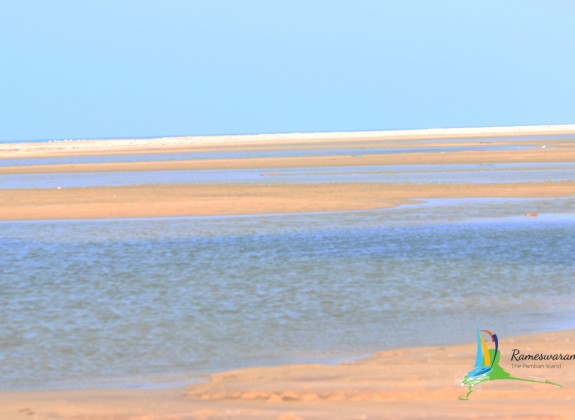
Dhanushkodi Tirtham
Sri Danushkodi Ram Setu Kshethram
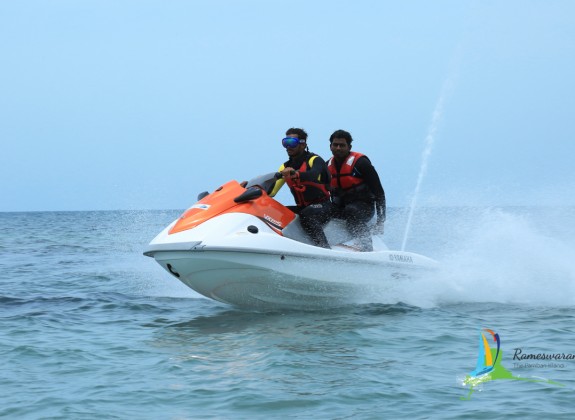
Jet ski – Holy Island Water Sports Rental Services – Rameswaram Water Sports
Holy Island Water Sports Rental Services
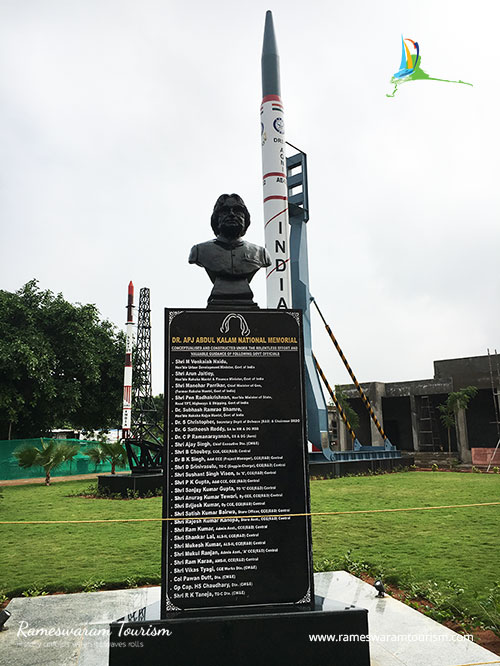
Dr.APJ Abdul Kalam Memorial in Pei Karumbu Rameshwaram
Dr. A.P.J. Abdul Kalam Memorial, Rameswaram-Dhanushkodi Road, Rameswaram, Tamil Nadu
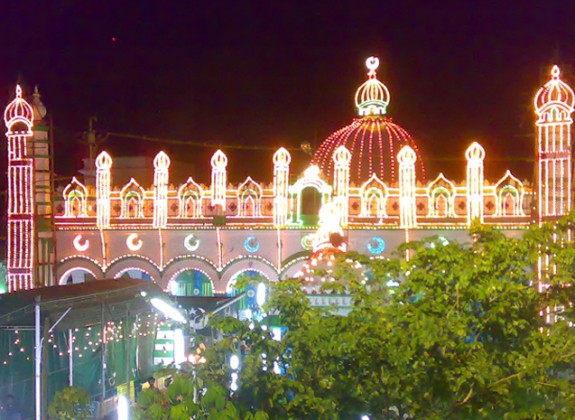
Erwadi Dargah ramanathapuram – Keelakarai
Ervadi Dargah ramanathapuram district Ervadi Durgah - Ramanathapuram Rd Ervadi, Tamil Nadu 623566

Kayak Rameswaram Water Sports – Holy Island Water Sports Rental Services
Holy Island Water Sports Rental Services
Rama Theertham Temple – Rameswaram
Rama Teertham, Madurai-Rameshwaram Road, Rameswaram, Tamil Nadu




Splendid Beach!